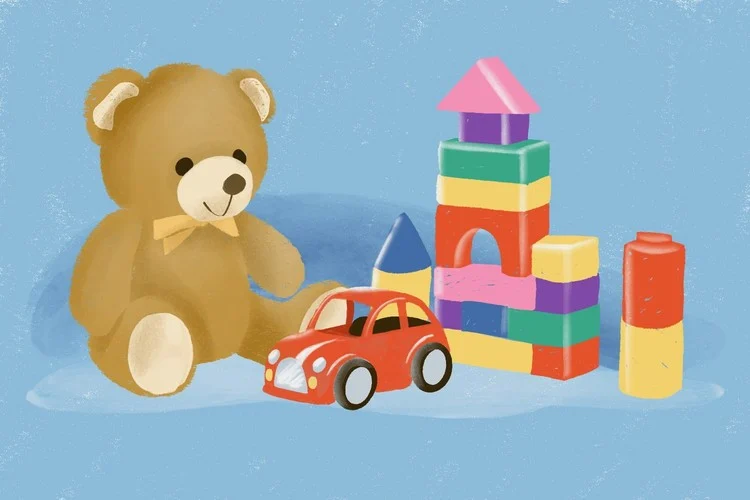
The number of babies receiving the child support grant has dropped by nearly half since 2020. Graphic: Lisa Nelson
- The number of infants receiving the Child Support Grant has fallen by 44% since March 2020. This is according to the latest Child Gauge Report.
- Researchers say barriers to registration of births and stricter SASSA checks may be preventing babies from receiving the grant.
- Almost 115,000 child support grants lapsed in 2025/26 because beneficiaries had not completed SASSA reviews.
- The R580-a-month grant is well below the food poverty line of R868. Researchers want it increased and recommend additional support for pregnant women.
The number of babies under one year receiving the Child Support Grant has fallen by 44% since the start of the covid pandemic, and researchers warn that the decline is likely to continue.
The warning is in the latest Child Gauge report, published by the Children’s Institute at the University of Cape Town on Tuesday. The report marks 25 years since the institute was founded and looks at progress in advancing children’s rights over the past three decades.
In March 2020, about 658,000 infants were receiving the grant. By March 2026, the figure dropped to 366,108, taking uptake among this age group back to levels last seen in 2008. Over the same period, the total number of children receiving the grant rose from about 12.8-million to 13-million.
The researchers, led by Wanga Zembe-Mkabile and Katharine Hall, said the decline had “serious implications for child outcomes”. The grant’s “protective effect largely depends on early and continuous receipt, preferably from birth”, they wrote.
The grant is available to children of single parents earning up to R5,800 a month and to children of couples earning up to R11,600 a month.
The initial drop of babies getting the grant, between 2020 and 2021, can partly be explained by disruptions to birth registration during the covid lockdown. Home Affairs staff could not register births at hospitals and lockdown also affected processing of applications by the SA Social Security Agency (SASSA). The number of grants paid for infants dropped from 657,667 to 550,341 over this period
But the researchers say the lockdown disruptions do not explain the continued decline, because the number of births registered each year fell slowly. Between 2020 and 2024, births registered fell by about 12% while the number of infant grants fell by 44%.
Birth registration remains a possible barrier. More than 10% of infants are still unregistered a year after birth, the researchers said. They list budget constraints at Home Affairs, system downtime compounded by loadshedding, and higher transport costs for parents as possible reasons.
This matters because missing documents are “the most common” reason children are excluded from the grant.
Researchers also raised concerns about tighter eligibility checks. In 2025, National Treasury introduced stricter conditions for SASSA’s budget allocation, requiring the agency to strengthen its monitoring and verification of grant beneficiaries.
SASSA then introduced automated income and eligibility screening against several government and third-party databases for new applicants and beneficiaries under review, as well as a new electronic biometric system linked to Home Affairs. The biometric system adds another step to all applications and reviews. These additional checks could make it harder for eligible families to access the grant.
Almost 115,000 Child Support Grants lapsed in the 2025/26 financial year because caregivers did not complete their reviews, the researchers said. They pointed out that some may never have received a notification or may have been unable to attend reviews.
“Another factor affecting infant access is capacity constraints as SASSA, already somewhat under-resourced, re-orients its service priorities and adapts its systems and re-trains its staff to comply with the Treasury conditions,” the report said.
The researchers warn that infant uptake is likely to continue declining over the next few years.
The grant is too low
The value of the grant is below the cost of a child’s basic needs.
The grant is currently R580 a month, compared with the lower bound food poverty line of R868 per person per month. Annual increases to the grant have been below food inflation.
The Pietermaritzburg Economic Justice and Dignity Group estimated that a basic nutritious diet for a growing child costs R978 a month in June 2026.
Nearly eight million children live in households that cannot afford enough food, according to the Child Gauge report. Child food poverty fell from 53% in 2003 to 33% in 2013, but rose “after the covid-19 economic shock” and has remained at about 40%, researchers said.
More than one in four children under five are stunted. Stunting was estimated at 22.9% in 1994 (ages six months to six years). Among children under five, it was 28.8% by 2023. The researchers linked these outcomes to the growing inadequacy of the child support grant and persistently high unemployment, among other factors.
In his October Medium-Term Budget Policy Statement, Finance Minister Enoch Godongwana announced that R1.6-billion had been allocated for care before birth and during the first 1,000 days of a child’s life. He said the funding would focus on addressing stunting and malnutrition, which prevent “children from reaching their full growth and learning potential”.
Meanwhile, the Child Gauge researchers have renewed their calls for the grant to be increased, arguing that it is insufficient to cover the cost of a child’s basic needs.
They recommend raising the grant to at least the food poverty line of R868. They also call for a maternal support grant for low-income and unemployed pregnant women.
While the Child Support Grant remains one of the country’s most important tools for reducing child poverty, the researchers said, it cannot reverse “long-term child deprivation” on its own. The grant must be accompanied by measures addressing unemployment, food insecurity and access to basic services, they said.
© 2026 GroundUp. This article is published under the GroundUp Republication Licence Version 1.0. Email [email protected] to request permission to republish.