Government has called on communities, men and boys, civil society and all sectors of society to work together to end gender-based violence and femicide (GBVF), as South Africa marks 16 Days of Activism for No Violence Against Women and Children.
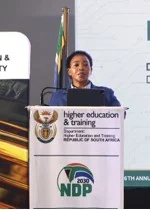
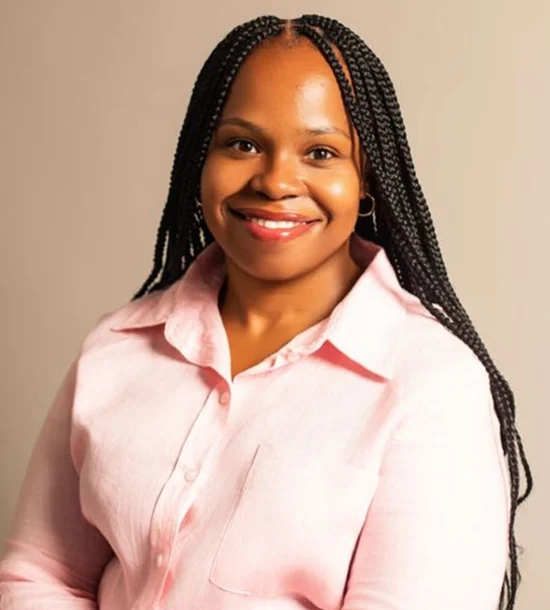
Social Development Minister Dina Pule made the call during the 2026 National 16 Days of Activism event at Totomayaba Stadium in Colesberg, Northern Cape, on Friday.
This year’s campaign, held under the theme: “Letsema: Men, Women, Boys and Girls working together to end Gender-Based Violence and Femicide,” emphasises the collective responsibility required to address violence against women and children.
Pule said the persistence of GBVF required more than annual awareness campaigns, calling for decisive leadership, sustained prevention, effective interventions and accountability across all sectors of society.
“The central message of this year’s campaign is that awareness must translate into action, commitments must translate into implementation, and implementation must result in safer communities,” she said.
South Africa has participated in the campaign since 1998, marking 28 years of national mobilisation against violence directed at women and children.
The Minister said the classification of GBVF as a national disaster in November 2025, in terms of Section 23 of the Disaster Management Act, 2002, represented an important turning point in the country’s response.
She clarified that the classification should not be confused with the declaration of a national state of disaster, but provides a framework for strengthening institutional arrangements, improving coordination and ensuring a response commensurate with the scale of the crisis.
Pule said the country’s success in addressing GBVF should ultimately be measured by whether women and children are safe, survivors can access appropriate services, perpetrators are held accountable, and communities experience a meaningful reduction in violence.
Crime statistics
The latest South African Police Service (SAPS) statistics highlight the continued prevalence of sexual violence in the country.
Reported sexual offences increased from 61 119 cases in 2020/21 to 84 394 in 2024/25, representing an increase of approximately 38%.
Reported rape cases also increased from 36 453 in 2020/21 to 41 991 in 2024/25, after reaching a peak of 43 037 cases in 2022/23.
In the Northern Cape, SAPS recorded five murders, 56 attempted murders, 22 rape cases, three sexual assault cases, 236 assaults with the intent to inflict grievous bodily harm and 263 common assault cases between April and June 2026.
The Minister also raised concern about violence occurring in places where women and children should feel safest.
Northern Cape rape statistics for the same reporting period indicate that 134 recorded incidents occurred at the residence of the perpetrator or victim, including residences known to the victim or perpetrator. A further 44 incidents occurred in public places.
Nationally, SAPS recorded 84 rape incidents at educational premises during the period, including cases involving learners.
“This reinforces an uncomfortable but important reality: violence is not confined to dark streets or unfamiliar environments. It can occur within households, relationships and communities,” Pule said.
Protecting vulnerable communities
Turning to the circumstances affecting Colesberg, the Minister highlighted poverty, unemployment, youth unemployment, substance abuse, school dropouts, crime, child neglect and vulnerability to human trafficking as some of the socioeconomic challenges facing the community.
The Colesberg Community Profile estimates that the town has a population of approximately 27 936 people, including 8 861 children aged between zero and 14.
Pule said these challenges could deepen vulnerability and undermine protective structures within families and communities, reinforcing the need for interventions that address both the immediate manifestations of violence and the broader conditions that increase vulnerability.
She also called for greater community vigilance against human trafficking, particularly given Colesberg’s location along the N1 corridor between Johannesburg and Cape Town.
“Our economic corridors must also be safe corridors,” she said.
The Minister further called on men and boys to take an active role in challenging harmful attitudes and behaviours that perpetuate violence, discrimination and abuse of power.
Pule also reaffirmed government’s responsibility to strengthen access to comprehensive services for victims and survivors, including psychosocial support, shelters, legal assistance and protection mechanisms.
The Department of Social Development, she said, has a critical role to play through psychosocial support, victim empowerment services, child protection interventions and the strengthening of shelter services.
She called for children to be taught respect, equality, consent, healthy relationships and non-violent ways of resolving conflict from an early age.
The 16 Days of Activism campaign runs from 25 November to 10 December 2026. However, Pule emphasised that efforts to prevent and respond to GBVF must continue throughout the year.
“Letsema is not simply a campaign theme. It is a call to collective responsibility, shared action and sustained accountability,” she said. – SAnews.gov.za
Source: Original report at SAnews.gov.za.