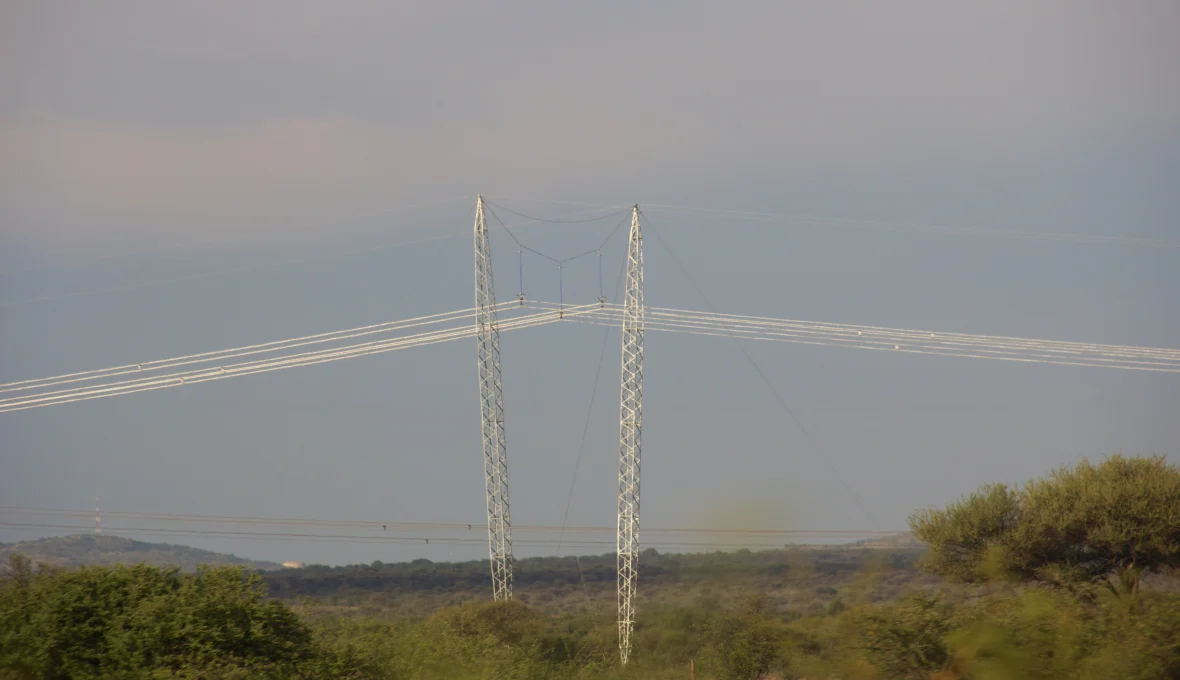
South Africa expects the first phase of its transmission programme to make room for about 3 222 megawatts of generating capacity to connect to the national grid. In its 27 November statement, Cabinet set out what the planned lines and substations could carry once they enter service. Power stations would still have to supply that electricity.
Where the new lines would go
The first phase covers 1 164 kilometres of 400-kilovolt transmission lines and associated infrastructure across the Northern Cape, North West and Gauteng. Cabinet also estimated 2 630 megavolt-amperes of transformer capacity. Megawatts measure the generating capacity that could connect. Megavolt-amperes describe the electrical load the transformers are rated to handle. Adding the two figures would give a misleading total.
A power plant can be ready to produce electricity while the network around it lacks the capacity to carry its output. New lines can ease that constraint. The amount of electricity they ultimately deliver will depend on which generators are built, connected and operating.
What remains before the grid gains capacity
Cabinet said work was continuing to finalise the first phase and establish a credit guarantee vehicle to support private investment in transmission infrastructure. It gave no date for the lines to enter service. The estimate alone cannot tell households when more electricity will be available or what they will pay for it.
The programme concerns the physical network that carries electricity. EBNewsDaily previously explained testing of the wholesale platform that would be used to trade it.