The Department of Water and Sanitation (DWS) has urged residents across the country, particularly in Gauteng, to reduce water consumption as rising demand and the anticipated El Niño phenomenon place additional pressure on water supply systems during the 2026/27 summer season.
The department warned that excessive water use in areas with a reliable supply could worsen shortages in areas already experiencing water supply disruptions.
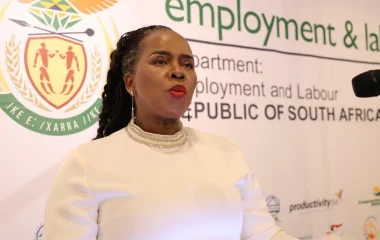
Department spokesperson Wisane Mavasa noted that the current heatwave, entering its third consecutive week and occurring amid El Niño conditions, is driving up water demand across the Gauteng province.
“This is compounding existing challenges, particularly substantial water losses through leaking municipal distribution infrastructure and high average consumption per capita in certain areas,” Mavasa said.
According to the department’s report, Gauteng’s average daily water consumption stands at approximately 250 litres per person, significantly above the international average of 173 litres. Non-revenue water is estimated at 47%, with physical water losses accounting for about 27%.
These figures highlight the importance of using available water more efficiently and reducing avoidable losses across the supply system.
DWS allocates Rand Water an annual abstraction volume from the Integrated Vaal River System (IVRS), and the volumes are maintained at this level to ensure sustainable availability of water in the system.
The allocation is only adjusted downwards when severe drought conditions arise or adjusted upwards where long-term assessments indicate that a sustainable increase in abstraction is possible.
The department said it cannot provide Rand Water with additional volumes beyond its authorised allocation. A collective effort is required to reduce the average daily demand for water.
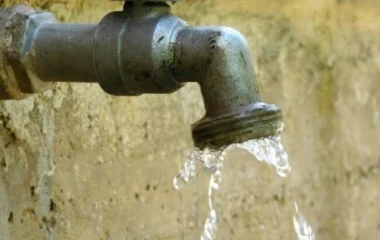
Residents are encouraged to make water conservation part of their daily routines by taking shorter showers, turning off taps when brushing their teeth or washing dishes, and repairing leaking pipes, taps and toilets on their properties.
Garden watering should be limited to between 6pm and 6am to minimise evaporation, while residents must comply with municipal water-use restrictions.
“Residents must observe municipal water-use restrictions, which may include prohibitions on watering gardens with hosepipes or sprinklers outside provided times, washing vehicles with hosepipes, cleaning driveways and patios with hosepipes, and filling or topping up swimming pools and water features.
“Additional restrictions may apply depending on local supply conditions. Residents are encouraged to report water wastage and violations of municipal water-use by-laws to their respective municipalities for investigation and appropriate action,” Mavasa said.
The department continues to monitor water availability across major supply systems through hydrological assessments, dam storage monitoring and early warning systems. It is also engaging water sector partners to strengthen preparedness and coordinate appropriate interventions as conditions evolve.
The South African Weather Service is forecasting a high likelihood of a strong El Niño, a climate phenomenon associated with changes in rainfall and temperature patterns that can contribute to below-normal rainfall and higher temperatures.
These conditions could further reduce dam inflows, increase evaporation, and intensify demand on water supply systems.
Municipalities across the country, particularly in Gauteng, have been encouraged to keep communities regularly informed about the status of their water supply systems, including treatment and distribution capacity, supply constraints and interventions that could affect availability.
The department said consistent and timely communication will help residents understand prevailing conditions, plan accordingly and make informed decisions about their water use.
While acknowledging the impact of ongoing water supply challenges on households, businesses and communities, the department said it remained committed to managing the country’s water resources to ensure sustainable availability, with abstraction limits informed by available resources, dam levels, and anticipated inflows.
“Where necessary, DWS will implement reductions in authorised water abstraction by agricultural, industrial and other water users, including water boards, to protect stressed water resources,” Mavasa said. – SAnews.gov.za
Source: Original report at SAnews.gov.za.