A familiar brand name in a recall headline is a reason to check the official notice carefully. The affected model, batch or serial number and the instructions for owners matter when deciding what action to take.
The National Consumer Commission’s Consumer Product Safety Recall Guidelines, published in June 2012 and still hosted on its website, set out what a written recall notice should contain. This checklist draws on that guidance; it is not an announcement of new rules or a new recall.
Match the product, then read the hazard
Check the make, model, distinguishing features, batch or serial number and dates offered for sale. A photograph helps identify the product, but use the detailed description too. Read the defect and hazard sections to understand the risk identified.
Follow the notice’s instructions
Find the section explaining what to do immediately and the contact details for the supplier’s remedy. Follow the specific instructions on returning the product or arranging repair or replacement. Do not assume every recall offers the same remedy.
A vehicle example: check the VIN
In its 10 November Chery and Omoda notice, the NCC directs owners to confirm whether their vehicle identification number is affected and arrange inspection through an authorised dealer. That notice says remedial work is free and directs owners of unsafe vehicles to contact Chery or a dealer to arrange towing.
Our earlier report sets out the affected vehicle groups. The vehicle example does not establish eligibility or a remedy for another product. Check the relevant official notice before arranging action. Sources checked on 18 November 2026.
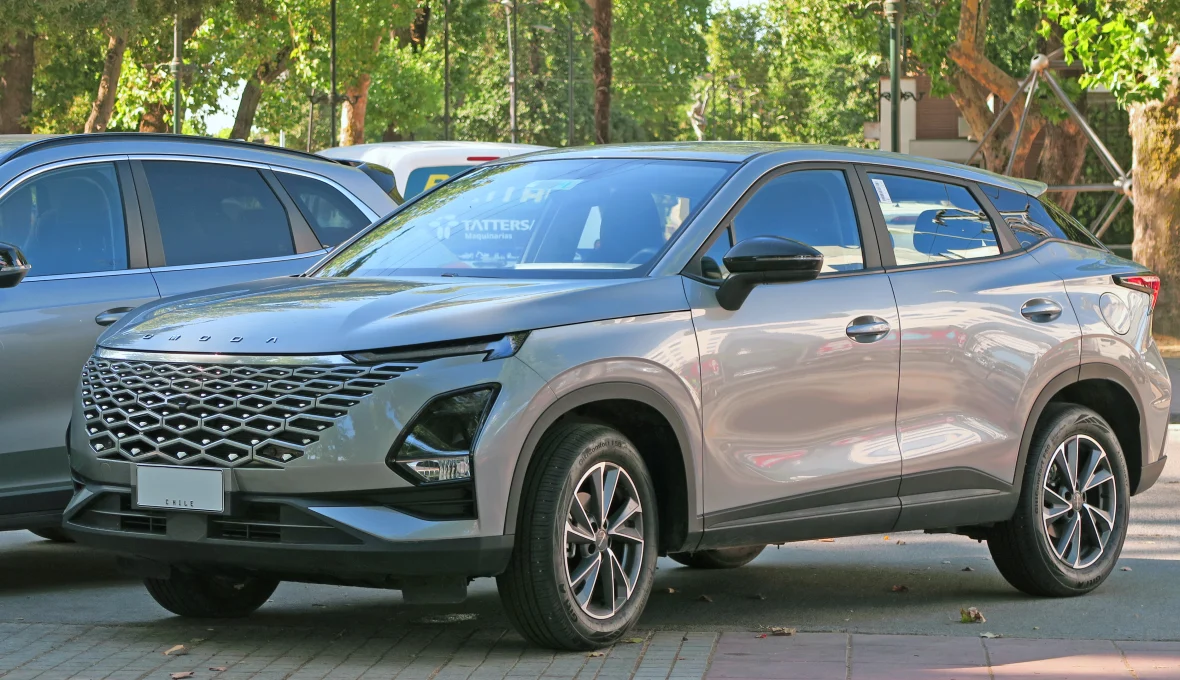
Archive photograph: an Omoda C5 1.5 Urban, photographed on 2 January 2026. The pictured vehicle’s VIN has not been established as affected by the South African recall. Photo: RL GNZLZ / Wikimedia Commons, CC BY-SA 4.0. Original photograph, brightened by Alex Neman; cropped and resized for display. Adapted images shared under CC BY-SA 4.0.