The five baobab trees that were illegally harvested in Lephalale, Limpopo, and rescued in KwaZulu-Natal, are expected to be replanted this week at the Timbavati Nature Reserve in Limpopo.
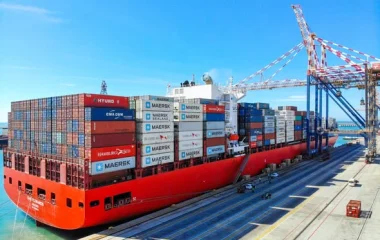
The trees were seized on Tuesday after officials from the Department of Forestry, Fisheries and the Environment (DFFE) traced them to the premises of a private freight company on the Bluff in the eThekwini Metropolitan Municipality.
Section 15(1) of the National Forests Act prohibits any person from cutting, disturbing, damaging or destroying a protected tree.
It also prohibits the possession, collection, removal, transportation, export, purchase, sale, donation or any other form of acquisition or disposal of a protected tree, or any forest product derived from it, except under a licence issued by the Minister or in terms of an applicable exemption published in the Government Gazette.
In terms of section 62(2) of the Act, a person who contravenes these provisions commits a first-category offence.
A person convicted of contravening section 15(1) may be sentenced to a fine, imprisonment for up to three years, or both.
The DFFE has opened a criminal case against the owner of the landscaping company allegedly responsible for the illegal harvesting and transportation of the trees. The matter is before the court.
Dr Sarah Venter, founder of the Baobab Foundation, is leading the relocation of the trees and has been involved in the baobab industry for 20 years.
Before the trees were transported, Venter treated them at the premises of the private freight company. This involved removing affected wood and applying lime sulphur to treat the trees and prevent further rot.
To minimise the risk of mortality and improve the trees’ prospects of survival, the department decided that they should be relocated to a suitable area within their natural distribution range.
“The relocation was delayed by costs that were not aligned with prevailing market rates. The Baobab Foundation stepped forward to assist the department by securing donor funding to cover the full costs of the rescue, relocation and planting process, including post-relocation measures to protect the trees against external disturbances that could compromise their survival,” the department said. –SAnews.gov.za
Source: Original report at SAnews.gov.za.