South African businesses looking for practical outcomes from the Southern African Development Community summit in Durban should watch three areas closely: the movement of goods, the financing of regional infrastructure, and whether governments turn broad industrial ambitions into workable cross-border rules.
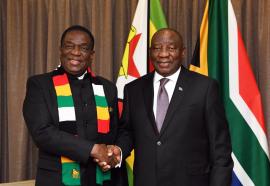
The 46th Ordinary Summit of SADC Heads of State and Government is scheduled for 17 August 2026 at Durban’s International Convention Centre. President Cyril Ramaphosa is due to host and chair the gathering as South Africa begins a 12-month term as chair of the 16-member regional bloc.
The summit’s theme places infrastructure, agricultural transformation and critical minerals at the centre of a plan for more resilient and inclusive industrialisation. That language matters to firms in freight, farming, food processing, manufacturing, mining services, pharmaceuticals and energy. But a summit theme is a direction of travel, not a completed commercial programme.
Why regional infrastructure is a business issue
A producer can have a competitive product and still lose an export order when border delays, unreliable rail links or congested ports make delivery times uncertain. Regional infrastructure therefore affects much more than large construction companies. It shapes the costs faced by farmers, component suppliers, retailers and smaller manufacturers that depend on predictable transport and electricity.
The official SADC agenda says leaders will consider progress on regional integration, the region’s economic performance and the proposed operationalisation of the SADC Regional Development Fund. The fund is intended to help finance regional development projects and programmes, although businesses should wait for formal decisions before assuming that a particular project or funding window is available.
For South African firms, the useful questions are concrete: which transport corridors will receive priority, how projects will be financed, what procurement rules will apply, and whether smaller suppliers will be able to participate in the resulting value chains.
Trade barriers and regional value chains
In a May policy address, International Relations Minister Ronald Lamola identified consolidation of the SADC Free Trade Area, reducing non-tariff barriers and building regional value chains as priorities for South Africa’s chairship. He named agro-processing, critical-minerals beneficiation and pharmaceuticals among the strategic sectors.
Non-tariff barriers can include administrative delays, inconsistent documentation, product requirements or other obstacles that raise the cost of moving goods even when tariffs are low. Removing them is not simply a matter of signing another declaration. It requires customs agencies, regulators and border authorities to implement compatible processes.
A regional value chain also does not mean that every stage of production must happen in one country. A product may draw raw materials, processing, packaging, logistics and distribution from several SADC states. The opportunity for a South African small or medium-sized firm may be as a specialist supplier rather than the final exporter.
Agriculture and critical minerals
The SADC Secretariat says the summit will assess food and nutrition security, disaster preparedness and progress on the previous summit’s work on industrialisation, agricultural transformation and energy transition.
For agriculture, the test will be whether regional cooperation reduces practical friction around inputs, animal-health risks, standards, storage and market access. South Africa has already called for faster work on harmonising fertiliser regulatory frameworks and managing transboundary animal disease risks. Those issues can determine whether producers are able to reach regional markets reliably.
Critical-minerals policy will attract attention because Southern Africa holds important mineral resources. The business question is whether governments can develop competitive processing and manufacturing activity while maintaining credible environmental, labour and community safeguards. “Beneficiation” should not be treated as an automatic guarantee of jobs or investment; projects still need power, transport, skills, capital and customers.
What businesses can do now
Companies do not need to wait for the final communiqué to prepare. Exporters can map where border delays or duplicated paperwork affect their costs. Manufacturers can identify inputs that could be sourced regionally. Smaller suppliers can review the procurement portals and development-finance institutions relevant to their sector, while avoiding anyone who promises summit-linked contracts that have not been officially advertised.
Businesses should also separate announced priorities from binding decisions. The summit may set political direction, but implementation will depend on later regulations, budgets, project preparation and national agencies.
What to watch after the summit
The most useful evidence will be in the final communiqué and subsequent implementation documents. Watch for named transport or energy projects, a timetable for the Regional Development Fund, measurable steps on non-tariff barriers, and sector-specific commitments in agriculture, pharmaceuticals and mineral processing.
EBNewsDaily’s 14 August morning brief will continue to track the summit and other major developments. More reporting is available in the Business section.
Sources: SADC Secretariat summit notice; DIRCO budget address on South Africa’s SADC priorities; and the Cabinet statement on summit preparations.