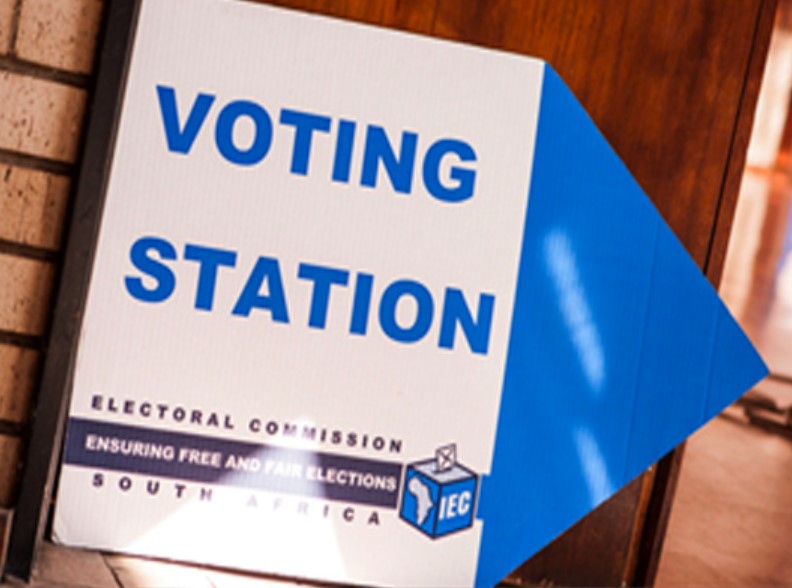
The Electoral Commission has asked presiding officers to explain ballot-numbering differences to visually impaired voters using double-column Universal Ballot Templates.
The issue can arise when a ballot contains fewer candidates than the template can accommodate, according to SAnews’s report of a briefing by IEC deputy chief electoral officer Masego Sheburi, published on Wednesday.
Why the numbers can differ
The standard double-column template caters for 80 candidates: positions one to 40 on the left and 41 to 80 on the right.
Sheburi used a 54-candidate ballot as an example. Its left column ends at candidate 27, while the right starts at candidate 28 rather than the template’s printed number 41.
Officers asked to explain the layout
The IEC said presiding officers and their deputies should check their station’s ballot layout and explain where the first column ends and the second begins.
The commission identified the possible variation in consultation with Blind SA. The templates are intended to help Braille-proficient voters make their choices independently and privately.
Read the earlier general guidance on using ballot templates for further context.