Events associated with 1 September include the start of the Second World War in Europe, the discovery of the wreck of the Titanic and the independence of Uzbekistan.
1939: Germany invades Poland
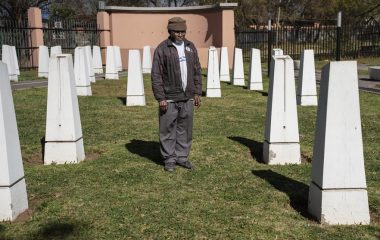
German forces invaded Poland on 1 September 1939. Britain and France declared war on Germany two days later, beginning the European phase of the Second World War.
The conflict expanded across Europe, Africa, Asia and the Pacific and caused destruction on an unprecedented scale. South Africa entered the war on the Allied side after a parliamentary vote in September 1939.
1985: Titanic wreck is located
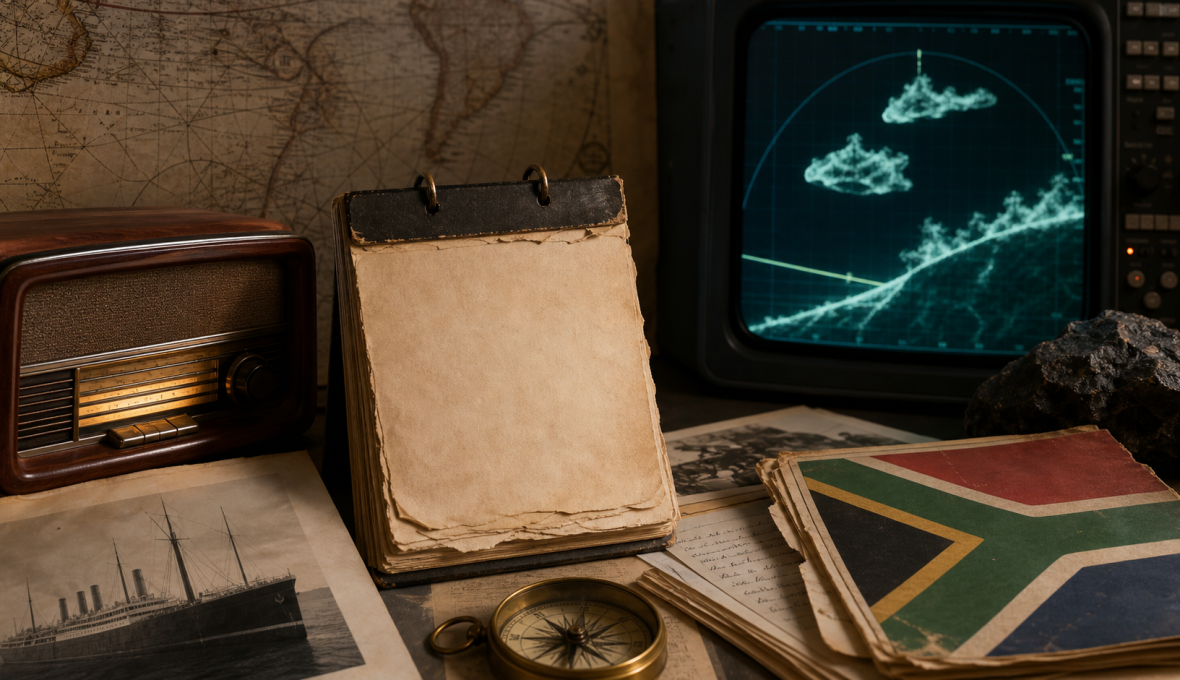
A joint American-French expedition located the wreck of RMS Titanic in the North Atlantic on 1 September 1985.
The ship had sunk in April 1912 after striking an iceberg on its maiden voyage. The discovery at a depth of about 3,800 metres allowed researchers to document the wreck and debris field with deep-sea imaging technology.
1991: Uzbekistan declares independence
Uzbekistan declared independence from the Soviet Union on 31 August 1991 and marks 1 September as Independence Day.
The country later joined the United Nations in March 1992.
September begins in South Africa
South Africa observes Heritage Month during September. The month is used by public institutions, schools and communities to highlight cultural history, language, art and the country’s diverse heritage.
Arbor Week also begins on 1 September. The national programme promotes the planting and protection of trees and public awareness of the role of forests and urban green spaces.
These events place 1 September at the intersection of war, science, national independence and public commemoration.