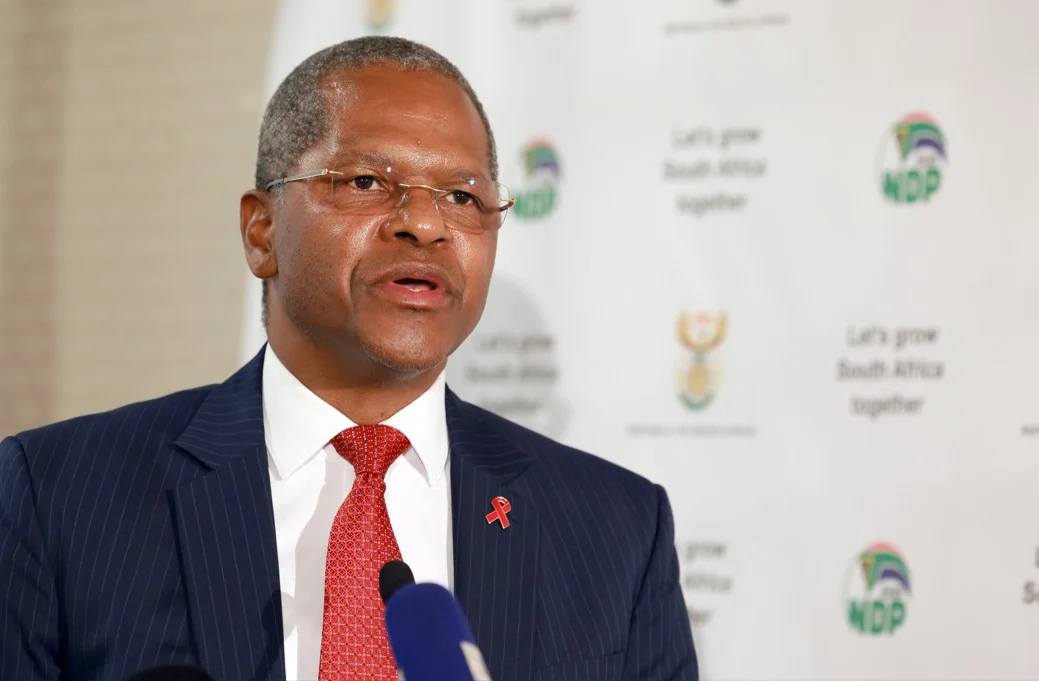
Cooperative Governance and Traditional Affairs (CoGTA) Minister Velenkosini Hlabisa has called for the full operationalisation of the SADC Humanitarian and Emergency Operations Centre (SHOC) to strengthen the region’s capacity to coordinate disaster preparedness and respond swiftly to emergencies.
Hlabisa, who chairs the Southern African Development Community (SADC) Committee of Ministers Responsible for Disaster Risk Management, said the centre should serve as a regional anchor for disaster monitoring, early warning, preparedness coordination and the mobilisation of assistance to Member States affected by disasters.
Addressing the 7th Ordinary Meeting of the Committee on Thursday, 12 November 2026, the Minister said effective regional coordination requires clear authority, capable leadership, adequate staffing, reliable operating procedures, and sustainable financing.
He called for the recruitment of SHOC’s Executive Director to be concluded in accordance with the approved roadmap, while urging State Parties to fulfil their assessed contribution obligations.
He also encouraged Member States that have not yet joined the centre to accede, emphasising the importance of collective commitment to strengthening regional disaster response mechanisms.
Hlabisa said the first SADC Regional Cyclone and Flood Response Simulation Exercise has demonstrated the value of testing regional systems before disasters strike.
He called for such exercises to become a regular feature of regional preparedness efforts to identify and address weaknesses in decision-making, early warning, authorisation, deployment and coordination.
He said the exercises will help ensure that regional institutions and Member States are better prepared to respond when emergencies occur.
“Disaster risk does not respect national borders, and no Member State should be left to confront a major disaster alone. Regional solidarity must be organised in advance, adequately resourced and capable of being activated when it is most needed,” the Minister said.
The meeting also considered regional climate risks, food and nutrition security, disaster preparedness, humanitarian logistics and anticipatory action.
Hlabisa urged Ministers to ensure that the outcomes of their deliberations translate into concrete decisions and implementation, stressing the need to turn regional knowledge into national action and strengthen collective resilience across Southern Africa. – SAnews.gov.za
Source: Original report at SAnews.gov.za.