A revised consumer goods and services industry code takes effect on 1 December 2026, tightening oversight of the industry ombud while keeping its complaint-resolution service free for consumers.
The practical starting point remains the supplier: consumers should first give the business an opportunity to resolve their dispute before approaching the Consumer Goods and Services Ombud (CGSO).
Stronger oversight, clearer referrals
Notice 4264 in Government Gazette 55719, published on 11 November, prescribes the revised code and sets its commencement date.
In their joint statement on 12 November, the National Consumer Commission and CGSO said the changes strengthen governance and reporting, including quarterly reporting of non-compliant industry participants to the commission.
The code also provides for cooperation where ombud jurisdictions overlap. A complaint better suited to another accredited ombud can be referred with the complainant’s consent.
What consumers can expect
The CGSO assesses whether a complaint falls within its jurisdiction and helps resolve disputes through facilitation, mediation and recommendations. It does not impose administrative fines, and lodging a complaint does not guarantee a refund.
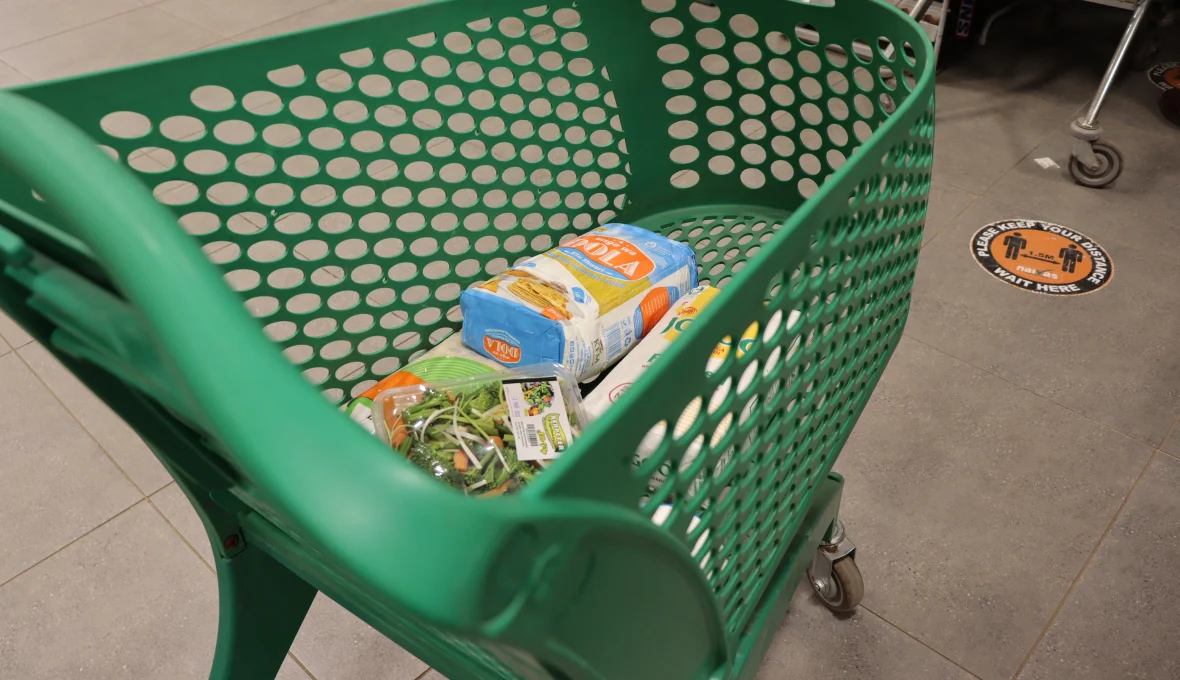
Illustrative archive photograph: a shopping trolley at a Naivas supermarket in Kenya, photographed on 5 March 2022. It does not depict a South African complaint or suggest wrongdoing by the retailer or brands shown. Photo: safaritravelplus / Wikimedia Commons. Source: https://commons.wikimedia.org/wiki/File:Shopping_Cart_Supermarket.jpg . Rights: CC0, https://creativecommons.org/publicdomain/zero/1.0/ . Cropped and resized for display.