Statement on the Cabinet meeting of Wednesday, 25 November 2026
A. ISSUES IN THE ENVIRONMENT
1. Economy
1.1. South Africa Positions itself to become an Artificial Intelligence (AI) Hub
1.1.1. President Cyril Ramaphosa led a multi-sectoral delegation which included academics; students from universities, universities of technology, and TVET colleges; research institutions, business including MSMEs; and public sector on a working visit to the Silicon Valley in California, USA.
1.1.2. President Ramaphosa directed that South Africa should finalise a multi-sectoral action plan focused on practical AI initiatives to position South Africa as an AI Hub which must clarify the requisite institutional responsibilities, funding arrangements for start-ups built around the failing forward approach, and investment partnerships proposal on the relevant infrastructure development, public services improvement – be it in healthcare, education, administration and public infrastructure development amongst others within 90 days of the delegation’s return.
1.1.3. President Ramaphosa further announced a Venture Capital Fund seeded by a South African entrepreneur.
1.1.4. Cabinet welcomed the strategic importance of the visit as the adoption of AI presents opportunities for economic growth through attracting investments, developing new local skills, supporting businesses, and creating new economic opportunities under the country’s economic development plan, commonly known as GAIN, and improving the everyday lives of South Africans through a more efficient and responsive public administration.
1.2. South Africa’s manufacturing capability bolstered as Volkswagen Group Africa starts building the new Volkswagen Tengo SUV to also service the African market
1.2.1. Cabinet welcomed a R4-billion investment by Volkswagen Group Africa into its Kariega (Eastern Cape) manufacturing plant for the production of its new Tengo compact SUV, which will be introduced in the South African market early in 2027. The plant will also service the rest of the African market.
1.2.2. The new Tengo SUV model is the first new vehicle to join the Volkswagen Kariega plant’s production line-up since the popular Volkswagen Polo and Polo Vivo were introduced in 2010 and thus reconfirming South Africa’s auto manufacturing capability and its status as an investment destination of choice
1.2.3. Approximately 45 percent of the vehicle’s components are supplied by local companies, supporting the involvement of South African suppliers in its production. The automotive sector in the country supports more than 115 000 direct manufacturing jobs and more than half a million jobs across the automotive value chain.
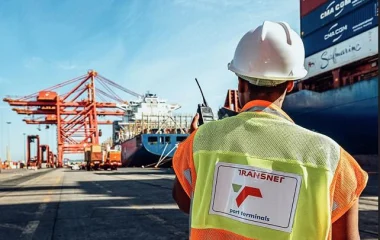
1.3. Implementation of Port Recovery Plan at the Durban Gateway Terminal assists delivery of critical pharmaceutical products
1.3.1. Cabinet noted the progress being made to clear vessels containing critical pharmaceutical products at the Durban Gateway Terminal (DGT) which is assisting initiatives by the Department of Health to address medication shortages.
1.3.2. Transnet is implementing a Port Recovery Plan to clear the backlog at the DGT which includes the prioritisation of vessels carrying essential cargo for clearing. This has resulted in the clearing of 18 out of 41 urgent pharmaceutical containers as of 23 November 2026.
2. Governance
2.1. 2026 Local Government Elections
2.1.1. Cabinet commends the millions of South Africans for peaceful local government elections and exercising their democratic right to choose their government by casting their votes.
2.1.2. Cabinet further commended the Electoral Commission of South Africa (IEC) for delivering the 2026 local government elections despite the compressed timelines and operational demands.
2.1.3. Cabinet has noted progress being made in the formation of new local government municipal councils after the gazetting of elected councillors. Cabinet called on newly elected councillors to prioritise the rendering of municipal services to the residents.
3. Building a Safer Nation
3.1. Crime Statistics Indicate Concerted Fight Against Crime
3.1.1. Cabinet welcomed the release of the quarter two crime statistics, which indicated a decline in several categories of serious crime, such as murder, car hijacking, truck hijacking and business and residential robberies.
3.1.2. Murders declined by 3,5 percent between 1 July and 30 September 2026, compared with the same period in 2025. Armed robberies and car hijackings declined by 16,8 percent, while truck hijackings dropped by 27,9 percent and robberies at residences and businesses both declined by 7 percent.
3.1.3. Cabinet calls on all sectors of society to partner with the police in the fight against crime. By working together, we can create safer communities and public spaces, while ensuring that criminals have no place to hide.
3.2. Call for Sustained Action and Accountability against GBVF
3.2.1. Cabinet is calling for sustained action and accountability against GBVF during the 16 Days of Activism for No Violence against Women and Children and beyond. This year’s Campaign will be under the theme: “Letsema: Men, Women, Boys and Girls Working Together to End Gender-Based Violence and Femicide.”
3.2.2. The campaign was launched by Deputy President, Paul Mashatile on 20 November 2026 in Mpumalanga Province. This year’s campaign also focuses on encouraging people to challenge harmful beliefs, behaviour and social norms, promote positive role models for men and boys and help make homes, schools and communities safer for everyone.
3.2.3. President Cyril Ramaphosa will on 3 December join the Minister of Tourism Patricia de Lille at the inaugural The Fairway Gender-Based Violence and Femicide (GBVF) Fundraising Golf Day. It’s an initiative that seeks to leverage sport and tourism to raise awareness and mobilise collective action against GBVF. It provides a platform for stakeholders to strengthen partnerships and demonstrate their commitment to building a safer and more inclusive South Africa.
B. CABINET DECISIONS
1.1. Adoption of reviewed District Development Model One Plans
1.1.1. Cabinet adopted the reviewed District Development Model (DDM) One Plans for the Eastern Cape, Free State, KwaZulu-Natal, Limpopo, Mpumalanga and Northern Cape. The plans provide an integrated framework for coordinating government planning and implementation to support infrastructure development, economic growth and improved service delivery.
1.1.2. Cabinet directed relevant organs of state to support the implementation, resource alignment, monitoring and reporting of the One Plans through the DDM. Outstanding endorsement processes in Gauteng and North West will be finalised.
1.1.3. The review examines whether the One Plans provide an effective framework for integrated planning, budgeting and implementation across the three spheres of government.
1.2. Progress on implementation of the President’s Response to the State Capture Commission
1.2.1. Cabinet noted progress in implementing the President’s Response to the recommendations of the State Capture Commission and approved the release of the Quarter 1 2026/27 progress report to Parliament and the public. The President’s Response commits government to 60 actions, of which 34 are complete or substantially complete and 11 are on track.
1.2.2. Recoveries linked to state capture stand at R17,2 billion. Fifteen matters are before the courts and six have been finalised, all with convictions.
1.2.3. Cabinet noted progress on key reforms, including measures to strengthen whistle-blower protection and professionalise the public administration. Cabinet also noted that the Constitutional Court judgment declaring the Public Procurement Act, 2024 invalid affected four actions being implemented through the Act and that new legislation will be required to restore these reforms.
1.2.4. Government will continue to accelerate implementation of outstanding actions, with particular attention to procurement reforms, action against companies implicated in state capture and other measures to strengthen integrity and accountability in the State.
1.3. Positioning business events as a strategic economic growth platform
1.3.1. Cabinet was briefed on the contribution of the business events sector to economic growth, job creation, investment, trade and tourism. South Africa remains a leading business-events destination on the African continent.
1.3.2. In 2025, the South Africa National Convention Bureau supported 118 international and regional bids, of which 72 were secured, attracting 41 679 delegates and contributing approximately R1,16 billion to the economy.
1.3.3. Cabinet noted the continued implementation of the national bidding and hosting strategy to attract business events to South Africa and the need for stronger coordination across government to maximise their economic and developmental impact. In the same vein, South Africa is on track for another record-breaking international tourist arrivals in 2026.
1.3.4. In October 2026, South Africa welcomed 1 020 249 international tourists, marking an increase of 10% compared to October 2025. The total number of international tourist arrivals over the first ten months of the year now stands at 9 437 084, representing a 10.2% increase compared to the same period in 2025.
1.3.5. Furthermore, Cabinet commended South African Airways (SAA) for being ranked 7th globally in TIME World’s Best Airlines for 2027, achieving an impressive score of 92.16. SAA further secured 2nd place globally in both the Full-Service Airlines and Most Family-Friendly Airlines categories.
1.3.6. Our country also continues to shine in the global aviation sector. In the latest aviation safety assessment from the International Civil Aviation Organisation, South Africa achieved 95.12 per cent, placing the country first in Africa and seventh in the world. The latest safety oversight assessment coincides with South Africa’s celebration of 40 years without a fatal commercial airline accident, an extraordinary safety milestone worthy of national recognition.
2. Implementation of the Tourism Route Development Marketing Plan
2.1. Cabinet noted progress in implementing the Tourism Route Development Marketing Plan, which brings government and the tourism industry together to strengthen South Africa’s international air connectivity and attract more visitors. The programme supports a coordinated approach to priority international air routes and the Government-Business target of attracting an additional 750 000 international tourist arrivals by air by December 2027.
2.2. This initiative builds on South Africa welcoming one million international tourists in October 2026. Cabinet supported continued coordination between government and business to strengthen air access and grow tourism as a driver of economic growth and job creation.
2.3. SA Trade with the USA Continues Despite the termination of South Africa from AGOA Preferences
2.3.1. Cabinet was briefed about the 60 days advance notice given to South Africa to withdraw its African Growth and Opportunity Act (AGOA) trade benefits effective 1 January 2027. Government’s immediate priority is to support companies affected by the withdrawal of AGOA benefits and we continue to engage with our US counterparts on additional issues that require further clarity.
2.3.2. To ensure business certainty, government will provide sector-specific guidance on affected products, market access, and tariff implications. Regular updates on developments and available support measures will be communicated to business, labour, exporters, and investors to address concerns promptly.
2.3.3. Cabinet emphasised that bilateral trade between South Africa and the United States continues under World Trade Organisation (WTO) arrangements and existing commercial relationships between exporters and buyers. In 2025, approximately 89 per cent of South African exports entered the US under normal WTO arrangements, while only around 10 per cent benefited from AGOA preferences.
3. SADC and Africa: a better Africa, a better world
3.1. Africa Strategy (2026–2036) for South Africa
3.1.1. Cabinet has approved South Africa’s Africa Strategy, 2026–2036, which provides a long-term strategic framework for advancing South Africa’s political, economic, security and developmental interests on the African continent. The Strategy adopts an integrated approach to continental engagement, aligning South Africa’s foreign policy priorities with the National Development Plan (NDP) and the Medium-Term Development Plan (MTDP).
3.1.2. The Strategy outlines key strategic pillars, priority regions and partner countries, providing a clearer framework for directing South Africa’s continental engagement, deepening partnerships and advancing national interests. It places particular emphasis on economic diplomacy, regional integration, infrastructure development and the expansion of trade, investment and regional value chains, including through the African Continental Free Trade Area (AfCFTA).
3.1.3. Importantly, the Strategy positions South Africa’s engagement with the continent as an instrument for advancing domestic economic growth, industrialisation and employment creation, while contributing to Africa’s broader development and integration agenda.
3.1.4. The Strategy further emphasises a coordinated, whole-of-government approach, supported by institutional arrangements and resource mobilisation to ensure effective implementation.
3.1.5. The approval of the Africa Strategy, 2026–2036, therefore marks a crucial step towards a more coherent, focused and development-oriented continental policy, with clearly articulated strategic priorities to guide South Africa’s engagement with African partners over the next decade.
3.2. South Africa’s Priorities for its tenure on the African Union Peace and Security Council (AUPSC) 2026-2028
3.2.1. Cabinet approved South Africa’s priorities for its tenure on the African Union Peace and Security Council (AUPSC), which runs until 31 March 2028. South Africa was elected to the Council in February 2026 for the seventh time.
3.2.2. South Africa will use its tenure to contribute to the promotion of peace, security and stability on the African continent, in support of the African Union’s Agenda 2063 and its goal of Silencing the Guns by 2030.
3.2.3. South Africa’s priorities include strengthening the African Peace and Security Architecture and promoting a rules-based AUPSC; improving cooperation among African Union organs and with the United Nations; supporting efforts to address conflict hotspots; and advancing the Women, Peace and Security and Youth, Peace and Security agendas. South Africa will also prioritise the impact of critical minerals on conflict and promote disarmament, non-proliferation and arms control.
3.2.4. South Africa will work with other AUPSC member states to advance these priorities during its tenure, including through its Chairship of the Council in September 2027. South Africa will continue to advocate for African-led solutions to the continent’s peace and security challenges, stronger cooperation between the African Union and the United Nations, and sustainable support for African peace initiatives.
3.3. Ninth Annual Progress Report (2024-2025) on the implementation of the White Paper on the Rights of Persons with Disabilities (WPRPD)
3.3.1. Cabinet approved the Ninth Annual Progress Report (2024–2025) on the implementation of the White Paper on the Rights of Persons with Disabilities and its publication in the Government Gazette. The report notes progress in disability inclusion and access to services, while identifying persistent challenges in accessibility, reasonable accommodation, planning, data and accountability.
3.3.2. Cabinet approved measures to strengthen implementation and accountability, including disability-responsive planning and budgeting, improved monitoring and reporting, and progressive achievement by 2030 of the 7% employment target for persons with disabilities and 7% procurement target for businesses owned by persons with disabilities.
3.4. Development Indicators 2025 Report
3.4.1. Cabinet approved the Development Indicators 2025 Report, which assesses South Africa’s progress towards the National Development Plan Vision 2030 and the priorities of the Medium-Term Development Plan 2024–2029.
3.4.2. The report shows that progress towards the NDP’s core targets of economic growth, employment, poverty reduction and reduced inequality remains uneven. Of the 84 indicators assessed, 18 are on track, 42 show promising progress and 24 are unlikely to meet their 2030 targets.
3.4.3. Cabinet noted progress in areas including structural reforms, employment, health outcomes and access to basic services, while emphasising the need to accelerate inclusive economic growth and job creation, reduce poverty and strengthen the capability of the State. The report will be published by the Department of Planning, Monitoring and Evaluation.
3.5. National Evaluation Plan (NEP) 2026-2030
3.5.1. Cabinet approved the National Evaluation Plan (NEP) 2026–2030, which sets out a rolling five-year programme of priority evaluations to strengthen evidence-based decision-making across government. The Plan supports the implementation of the Medium-Term Development Plan 2024–2029 and its three strategic priorities.
3.5.2. The evaluations will assess the performance and impact of key government policies and programmes in areas including economic growth and job creation, poverty reduction, social protection, higher education, healthcare, water and sanitation, digital transformation and building a capable and professional public service.
3.5.3. The Department of Planning, Monitoring and Evaluation (DPME) will coordinate implementation of the Plan. Departments responsible for evaluated programmes will be required to develop management responses and improvement plans to ensure that evaluation findings are translated into improvements in planning, budgeting, programme implementation and service delivery.
C. UPDATES TO CABINET
1. GOVERNMENT PERFORMANCE AND IMPLEMENTATION
1.1. Expansion and modernisation of the national transmission grid
1.1.1. Cabinet noted progress with the Independent Transmission Projects (ITP) Programme, which seeks to mobilise private investment to accelerate the expansion and modernisation of South Africa’s national transmission grid.
1.1.2. Phase I comprises 1 164 km of new 400kV transmission lines and associated infrastructure across the Northern Cape, North West and Gauteng. It is expected to unlock approximately 3 222 MW of generation capacity and 2 630 MVA of transformer capacity, while supporting industrial development, localisation and job creation.
1.1.3. Cabinet also noted progress towards establishing the Credit Guarantee Vehicle (CGV) to support private investment in transmission infrastructure, as well as ongoing work to finalise Phase I procurement and develop future phases of the ITP Programme.
1.2. Addressing Water Security
1.2.1. Cabinet was briefed about continued water supply challenges across the country, in particular the City of Johannesburg in Gauteng due to high water demand, and continuing water infrastructure vulnerabilities.
1.2.2. The Water Committee will convene to review the effectiveness of water supply interventions currently underway to mitigate water shortages during the festive season.
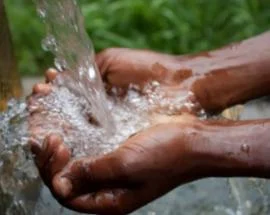
1.2.3. Cabinet further directed all municipalities to make sure that every community in the country has a reliable supply of clean drinking water.
1.2.4. Cabinet reminded all citizens to use water sparingly given the El Niño phenomenon which results in rising temperatures. Let us work together to conserve this precious resource and observe water restrictions whenever they are implemented. Water restrictions are important measures to manage demand, protect available water supplies and ensure that water remains available to meet the needs of communities.
1.3. Vaccination of national herd against Foot and Mouth Disease (FMD) exceeds 90 percent.
1.3.1. Cabinet noted progress in the mass vaccination of animals against Foot and Mouth Disease (FMD) as part of the national FMD Control Strategy. To date, 14 375 175 (more than 90%) of the National herd have been vaccinated through coordinated public- and private-sector efforts.
1.3.2. Over 22 million doses of the FMD vaccine have been purchased and distributed with the state having vaccinated close to 11 million cattle and the private sector four million cattle.
1.3.3. Government will continue to intensify vaccination, surveillance, movement-control and public-awareness measures to contain the disease, protect livestock and rural livelihoods, and support the recovery of domestic and international market access.
1.4. Strategy for Addressing Hijacked Buildings
1.4.1. Cabinet noted the Strategy for Addressing Bad and Hijacked Buildings, which provides a coordinated approach to tackling unsafe, unlawfully occupied and hijacked buildings across the country’s eight metropolitan municipalities. The strategy prioritises buildings posing the greatest risk to life and safety and provides for appropriate interventions, including law enforcement against criminal activity, legal action, securing or rehabilitating buildings and addressing abandoned properties, while protecting the safety and dignity of vulnerable occupants.
1.5. Bi-annual performance progress reports
1.5.1. Cabinet considered the Mid-Term and Bi-Annual Progress Reports on the implementation of the Medium-Term Development Plan (MTDP) 2024–2029. The assessment reflects progress across government’s three strategic priorities, including measures to strengthen energy security and economic activity; improve social protection, healthcare and access to education; modernise border management and the criminal justice system; build a more capable, ethical and digitally enabled state; and advance South Africa’s regional, continental and international interests.
1.5.2. Cabinet welcomed tangible progress in a number of areas, including improved energy availability, support for agricultural producers and small enterprises, growth in tourism, and progress with water and logistics reforms. Improvements were also recorded in life expectancy and early childhood development, the delivery of housing and serviced sites, the rollout of biometric movement-control systems at ports of entry, the professionalisation of the public service and the expansion of government digital services. South Africa has also continued to strengthen trade, regional integration and multilateral cooperation.
1.5.3. Cabinet noted that progress remains uneven and that significant challenges continue to affect the daily lives of South Africans. These include weak economic growth and high unemployment, persistent poverty and inequality, uneven education outcomes, pressure on infrastructure and municipalities, crime, and capacity and implementation constraints in parts of the state. Cabinet emphasised that progress must ultimately be measured by its impact on people through better services, improved livelihoods, safer communities and greater economic opportunities.
1.5.4. Cabinet directed departments and clusters to accelerate the implementation of the MTDP priorities during the remainder of the implementation period, supported by strengthened coordination, accountability and monitoring of agreed interventions. Particular attention will be given to accelerating inclusive economic growth and job creation; strengthening the social wage and improving the quality of public services; improving infrastructure and the performance of municipalities and state institutions; strengthening crime prevention and border management; and leveraging South Africa’s international engagements to advance trade, investment and development opportunities. Cabinet emphasised the need to address implementation constraints and ensure that government programmes deliver measurable improvements in the lives of South Africans.
2. PROGRESS REPORT ON THE IMPLEMENTATION OF SONA COMMITMENTS
HEALTHCARE AND HEALTH INFRASTRUCTURE
2.1. Investment in health infrastructure
2.1.1. Cabinet noted progress on the implementation of the 2026 State of the Nation Address commitment to invest in health infrastructure. Seven (7) hospital projects are at various stages of construction or completion, while a further eleven (11) new hospital projects have been identified.
2.1.2. The programme seeks to expand and modernise health infrastructure to respond to growing demand for healthcare services, including in underserved communities as government advances the National Health Insurance objective of ensuring access to health by all.
2.2. Rollout of lenacapavir for HIV prevention
2.2.1. Cabinet noted progress with the rollout of lenacapavir, a six-monthly injectable HIV-prevention medicine. Since its national launch on 5 June 2026, the programme has been rolled out to 360 public health facilities across 24 districts in six provinces, with further expansion planned. The rollout forms part of government’s HIV-prevention programme.
2.3. Progress towards the elimination of cervical cancer
2.3.1. Cabinet noted progress on the 2026 State of the Nation Address commitment towards the elimination of cervical cancer, including the continued rollout of human papillomavirus (HPV) vaccination to eligible schoolgirls. Approximately six million schoolgirls have been vaccinated to date. Government will continue efforts to increase vaccination uptake and strengthen prevention, screening and treatment.
2.3.2. South Africa’s programme is aligned with the World Health Organization’s 90-70-90 targets, which focus on HPV vaccination, cervical-cancer screening and treatment.
2.4. Progress in reducing maternal and child mortality
2.4.1. Cabinet noted progress in efforts to reduce maternal and child mortality as part of government’s work to strengthen access to affordable and quality healthcare. Cabinet noted that preventable maternal and child deaths remain a concern and that disparities persist across provinces.
2.4.2. The under-five mortality rate declined from 29,7 deaths per 1 000 live births in 2024 to 26,3 in 2026, against the 2029 target of 25 deaths per 1 000 live births.
2.4.3. Government will continue strengthening maternal and child healthcare, antenatal care, emergency obstetric services, child nutrition and health-worker capacity to improve health outcomes.
BASIC EDUCATION AND EARLY CHILDHOOD DEVELOPMENT
2.5. Progress report on early childhood development (ECD) commitments
2.5.1. Cabinet noted progress on the commitment to expand ECD programmes through the Bana Pele mass registration drive of ECD facilities.
2.5.2. Cabinet was informed that by 26 October 2026, 1 843 ECD programmes serving 73 926 children had been approved for them to can access the ECD subsidy – compared to 471 on 9 June 2026, and 5 924 ECD programmes applying for silver or gold registration had received site assessments. Through the Bana Pele local government campaign, all eight metropolitan municipalities and 44 district municipalities have been onboarded, and the number of environmental health reports for ECD programmes recorded on eCares grew from 700 to 4 100.
2.5.3. By the end of the second quarter of 2026/27, 954 700 children had benefited from the ECD subsidy.
2.6. Progress on the expansion and implementation of compulsory Grade R
2.6.1. Cabinet noted progress in the implementation and expansion of compulsory Grade R, which forms part of the Foundation Phase and formal basic education system. Grade R was made compulsory through the Basic Education Laws Amendment Act, 2024.
2.6.2. Implementation is being phased in line with available funding, teacher supply and provincial readiness. Measures underway include strengthening learning and teaching materials, upgrading Grade R practitioners and expanding the pipeline of qualified Foundation Phase teachers through the Funza Lushaka Bursary Programme.
2.6.3. Cabinet also noted the development of a national policy on compulsory Grade R and the review of the National Norms and Standards for School Funding to support consistent, equitable and financially sustainable implementation across provinces.
D. BILLS
1. National Rail Bill, 2026
1.1. Cabinet approved the publication of the draft National Rail Bill, 2026 for public comment. The Bill seeks to provide a comprehensive framework for the planning, regulation and development of South Africa’s rail sector and to support ongoing rail reforms.
1.2. The Bill provides for fair and non-discriminatory access to rail infrastructure, increased public and private investment, and improved freight and passenger rail services. It also seeks to modernise the rail sector, improve the quality and reliability of services and support a shift from road to rail.
1.3. The draft Bill will be published in the Government Gazette for 30 days for public comment, accompanied by broader stakeholder consultations. Interested members of the public are encouraged to submit comments on the draft Bill.
2. Land Survey Amendment Bill, 2026
2.1. Cabinet approved the publication of the Land Survey Amendment Bill, 2026 for public comment. The Bill seeks to amend the Land Survey Act, 1997 to strengthen regulatory reform, governance and accountability in land surveying and improve land administration in South Africa.
2.2. The Bill provides for the modernisation of land-surveying provisions, clearer governance arrangements and changes relating to the Survey Regulations Board. It also seeks to align the regulatory framework with developments in land administration and modern surveying and mapping practices.
2.3. The draft Bill will be published in the Government Gazette for public comment. Details on the public-comment process will also be made available on the website of the Department of Land Reform and Rural Development. Interested members of the public are encouraged to submit comments on the draft Bill.
3. Public Finance Management and related Laws Amendment Bill, 2026
3.1. Cabinet approved the publication of the Public Finance Management and Related Laws Amendment Bill 2026, for public comment. The amendment Bill was published on 21 October 2026 accompanying the tabling of the Mid-Term Budget Policy Statement (MTBPS) 2026
3.2. The Bill is underpinned by provisions for a deliberate developmental and transformative agenda as opposed to only enforcement of compliance.
4. Municipal Finance Management Amendment Bill, 2026
4.1. Cabinet approved the publication of the Municipal Finance Management Bill, 2026 for public comment. The Bill was published on 21 October 2026 accompanying the tabling of the Mid-Term Budget Policy Statement (MTBPS) 2026
4.2. The Bill proposes amendments to the Local Government: Municipal Finance Management Act of 2003, with related changes to the Local Government: Municipal Systems Act of 2000 and the Local Government: Municipal Property Rates Act of 2004. The amendments seek to strengthen sound, sustainable municipal financial management and enhance the legislative framework governing voluntary and mandatory interventions in municipalities experiencing financial distress.
5. Withdrawal of the National State Enterprises (NSE) Bill No. B1-2024 from Parliament
5.1. Cabinet noted the withdrawal of the National State Enterprises Bill [B1-2024] from Parliament. The Bill, introduced in January 2024, was intended to provide the legislative framework for a centralised model for selected State-Owned Enterprises (SOEs), including the establishment of a holding company.
5.2. Following public consultation and engagements with key stakeholders, it was determined that the Bill required revision. The Department of Planning, Monitoring and Evaluation will develop a revised Bill for consideration by Cabinet before its submission to Parliament.
E. APPOINTMENTS
All appointments are subject to verification of qualifications and relevant security clearances.
1. Mr Mooketsa Robert Ramasodi as Director-General at the Department of Agriculture (extension of contract)
2. Ms Lemao Dorah Modise as Director-General in the Department of Electricity and Energy
3. Mr Mathabatha Nathaniel Mokonyama as Director-General in the Department of Transport
4. Mr Lindokuhle Mkhumane as Director-General in the Department of Military Veterans.
5. Adv. Melancton Phillip Malepe Makobe as Director-General in the Department of Planning, Monitoring and Evaluation
6. Mr Thabo Richard Masombuka as Solicitor-General at the Department of Justice and Constitutional Development
7. Lieutenant-General Nhlanhla Sibusiso Mkwanazi as the National Head of the Directorate for Priority Crime investigation
8. Mr Vukile Victor Kani as Executive Director: Inspectorate at the Department of Social Development
9. Dr Tleyane Jonas Sono as Chief Defence Materiel at the Department of Defence.
10. Mr Sihle Goodman Doctor Mthiyane as Deputy Director-General: Immigration Services at the Department of Home Affairs.
11. Mr Siza Dennis Sibande as Deputy Director-General: Institutional Development Support at the Department of Justice and Constitutional Development.
12. Mr Anbuen Naidoo Deputy Director-General: Counter Corruption and Security Services in the Department of Home Affairs.
13. Ms Renel Singh Dastaghir as Deputy Director-General: Human Resources Management and Development in the Department of Home Affairs
14. Mr Dumisani Simphiwe Barrington Lupungela as Deputy Director-General: Corporate Support Services in the Department of Land Reform.
15. Ms Irene Rofhiwa Singo as Deputy Director-General: Financial Management Services at the Department of Forestry, Fisheries and the Environment.
16. Mr Magogo Barnabas Masekwameng as Deputy Director-General: Information Communication Technology at the Department of Justice and Constitutional Development
Public Entities Appointments
All appointments are subject to verification of qualifications and relevant security clearances.
1. Mr Ephraim Letlohogonolo Tlhako as the Chief Executive Officer (CEO) of the Film and Publication Board
2. Mr Loyiso Tyabashe as the CEO of the Nuclear Energy Corporation of South Africa.
3. Retired Major-General David Chilembe as Deputy Commissioner: Operations at the Border Management Agency (extension of term of office)
Boards
All appointments are subject to verification of qualifications and relevant security clearances.
1. Mr Mongezi Mathew Ntsokolo as the Chairperson of the Energy Regulator for a period of four years.
2. Mr Sisa Mtwa as a Non-Executive Director on the Board of the Transport Economic Regulator
3. Directors to the Board of the South African Civil Aviation Authority
a. Ms Zukisa Milicent Ramasia; and
b. Mr Zenzele Myeza.
4. Non-Executive Directors on the Board of the Railway Safety Regulator
For a period of three years
a. Mr Boy Daniel Ngobeni (Chairperson);
b. Ms Matefo Joice Majodina (Deputy Chairperson);
c. Dr Mmaphaka Ephraim Tau;
d. Ms Xoliswa Njokweni-Mlotywa
e. Dr Denisha Jairam-Owthar;
f. Ms Mpolaheng Mohlopi;
g. Mr Lungi Maminza;
h. Mr Tawana Mopeli;
i. Mr Anthony John Ehrenreich; and
j. Dr Keitumetse Matlapeng Kau (Department of Transport representative).
For a period of three years
5. Members of the Port Regulator Board
a. Mr Zenzele Bongani Aubrey Ngcobo (Chairperson);
k. Mr Christoffel Johannes Lotter;
l. Ms Sizakele Queeneth Makhaya;
m. Ms Avheani Princess Cindy Mangoma;
n. Mr Percy Derrick Manzini;
o. Ms Zonica Leandra-Marsha Mntshali;
p. Mr Mvikeli Ngcamu; and
q. Mr Roland Ntebaleng Setlako.
For a period of four months
6. Members of the Transport Economic Council
For a period of four years
a. Dr Hlengani Jackson Moyana (Chairperson);
b. Mr Percy Manzini;
c. Dr Sean Mfundza Muller;
d. Adv Lavandran Nanda Gopaul;
e. Ms Anchal Baniparsadh; and
f. Ms Sinenhlanla Thuleleni Mthembu.
For a period of three years
g. Ms Tsakane Zwane
h. Dr Malindi Joy Sundile Neluheni;
i. Dr Bongani Dominic Mqoco; and
j. Ms Penelope Anne Beck.
7. Non-Executive Directors to serve on the Board of the Passenger Rail Agency of South Africa
a. Ms Nompumelelo Ekeke (Chairperson);
b. Adv. Monnapula Johnny Motlogelwa;
c. Mr Tshepo Kgare;
d. Ms Octovia Matshidiso Matloa;
e. Mr Albert Ali Tshabalala;
f. Mr Lufuno Ratsiku;
g. Ms Lisa Seftel; and
h. Dr Martin Lerata.
8. Non-Executive Directors on the Board of the South African Maritime Safety Authority (SAMSA)
a. Mr Sandile Jomo Keswa (Chairperson);
b. Ms Sharon Fikile Mkhize (Deputy Chairperson);
c. Prof. Tshepo Mongalo;
d. Ms Linda Ngcobo;
e. Ms Dora Tlala -Tanor;
f. Mr Wayne Manthe; and
g. Dr Fikile Judith Mudau (reserve candidate).
9. Non-Executive Directors on the Board of the Road Accident Fund
a. Mr Kenneth Brown (Chairperson);
b. Ms Sibusisiwe Zulu (Deputy Chairperson)
c. Mr Neeshan Ishwarlal Balton;
d. Ms Alfredina Themba;
e. Prof Masibulele Phesa;
f. Mr Alfred Mpotshane;
g. Mr Karabo Modipane;
h. Mr Krishen Sukdev;
i. Ms Ntswaki Kutumela;
j. Dr Hlayiseka Chewane;
k. Ms Maphuthi Moletsame;
l. Mr Richard Dyantyi; and
m. Dr Avela Mayekiso (alternate member).
10. Non-Executive Directors to the Cross Border Road Transport Agency Board
a. Dr Legohu Mogodi (Deputy Chairperson)
b. Mr Tshimangadzo Lazarus Bereda; and
c. Mr Skhumbuzo Gibson Nkuna.
11. Members to the Board of Komati Basin Water Authority Board of Directors
a. Mr Thabo Vincent Maluleka; and
b. Adv. Lutendo Nomsa Tshisikule.
12. Board of the National Nuclear Regulator
a. Dr Mosebetsi Leotlela (community representative); and
b. Dr Lean Mayana Makhubele (organised labour).
13. Board members of South African Special Risk Insurance Association (SASRIA)
a. Dr Victor Emmanuel Sifiso Cele;
b. Ms Deshni Subbiah (reappointment); and
c. Mr Jannie Venter
14. Members to the Petroleum Agency of South Africa (PASA) Board
a. Mr Satish Roopa (re-appointment as Chairperson);
b. Ms Tlakale Mashego (re-appointment);
c. Ms Dudu Hlatshwayo;
d. Ms Charnelle Kearns;
e. Dr Marcus Dlamini;
f. Dr Vuyo Peach;
g. Mr Wayne Manthe;
h. Dr Nandi Malumbazo
i. Ms Stella Mamogale (Department of Mineral and Petroleum Resources representative).
F. CONFERENCES AND EVENTS
1. National Presidential MSME and Cooperatives Awards
1.1. Cabinet welcomed the successful hosting of the 2026 National Presidential MSME and Cooperatives Awards (yesterday) 26 November 2026, which recognised outstanding entrepreneurs, micro, small and medium enterprises (MSMEs) and cooperatives for their contribution to innovation, job creation and inclusive economic growth held under the theme “Championing Local Excellence for a Globally Competitive South Africa”.
1.2. The Awards celebrated enterprises that demonstrated resilience, excellence and sustainable business growth, and reaffirmed government’s commitment to strengthening the MSME and cooperative sector as an important driver of South Africa’s economic development and competitiveness.
2. South Africa successfully hosted the International Conference on Access to Justice
2.1. Cabinet welcomed the successful hosting of the International Conference on Access to Justice which took place at Sun City (North West Province) from 11 to 13 November 2026. The conference which coincided with the 30-year celebration of the Constitution was held under the theme “Strengthening People-Centred Justice System: Deepening Democracy” and discussed building access to a justice system that includes everyone, is easily accessible and respond to people’s needs.
3. 30th Anniversary of the Constitution of South Africa
3.1. Government will host the official commemoration of the 30th Anniversary of the Constitution of the Republic of South Africa under the theme “30 Years of the Constitution: One Constitution, One Nation – Reflect, Renew, Recommit.” The commemoration will be held on 10 December 2026 at the Constitution Hill in Johannesburg, Gauteng Province.
3.2. The 30th anniversary of the constitution is marked as a key milestone under the Milestones of Freedom Campaign which seeks to profile South Africa’s journey of freedom, democracy, unity and social progress under the theme “honouring the past. Delivering the future.” Cabinet calls on all members of society to participate in activities which seek to deepen constitutional understanding.
4. World AIDS Day
4.1. South Africa will mark World AIDS Day on 1 December 2026 under the theme: “Ending AIDS starts with access”, which places the spotlight on equitable access to healthcare services, human rights, resources, and decisive political leadership.
4.2. The day serves as a critical reminder that HIV and AIDS remain a public health challenge requiring sustained, collective action. Planned local engagements and awareness campaigns will focus on encouraging positive behavioural change, promoting safer sexual practices, destigmatising the condition, and expanding drives for routine HIV screening and testing.
4.3. South Africa continues to witness a significant decline in new infections and AIDS-related deaths due to the expansion of the world’s largest antiretroviral therapy (ART) programme, but young women and key populations continue to face disproportionate risk and to address this vulnerability and expand preventative access, President Cyril Ramaphosa launched the public-sector rollout of lenacapavir in June 2026—a twice-yearly, long-acting pre-exposure prophylaxis (PrEP) injection.
5. Reconciliation Month
5.1. South Africa will commemorate Reconciliation Month throughout December under the theme: “National Unity, Healing, Renewal and Trust”, culminating in the National Day of Reconciliation on 16 December.
5.2. Cabinet calls upon all South Africans to use this period to actively strengthen social cohesion, deepen mutual respect, and bridge historical divides across all communities.
6. International Anti-Corruption Day
6.1. South Africa will join the international community on 9 December to commemorate the International Anti-Corruption Day in recognition of the United Nations Convention against Corruption. The international theme for this year is “Connecting the Dots: Exposing the Links Between Corruption and Crime.”
6.2. The fight against corruption, strengthening law enforcement institutions and restoring public confidence remain key priorities of government. South Africa continues to implement initiatives to curb corruption, including making significant progress in implementing recommendations of the State Capture Commission.
G. MESSAGES
1. Condolences
Cabinet expressed condolences to the friends and family of:
• Former Deputy President Phumzile Mlambo-Ngcuka, who also served as United Nation’s Under Secretary and Executive Director of the United Nations Women, Minister of Minerals and Energy (1999–2005), as well as Deputy Minister of Trade and Industry (DTI) of the Republic of South Africa (1996–1999). She became a Member of Parliament in 1994 and Chairperson of the Public Service and Administration Portfolio Committee. She advocated for gender equality, human rights and education. Most recently she served as Chancellor of the University of Johannesburg and was once a Chancellor of Tshwane University of Technology. During South Africa’s G20 Presidency she served as the co-Chairperson of the Social Summit.
• Investigative and multi-award-winning journalist Nabeelah Shaikh, who strengthened our democracy through fearless reporting, and a steadfast commitment to truth and accountability.
• Former Chairperson of the North West House of Traditional and Khoisan leaders, Kgosi Mushi Ezekiel Mabe. He was also a member of the Batlhako-ba Matutu Traditional Council in the Mabeskraal Village in the Moses Kotane Local Municipality.
• Advocate Modibedi Eric Phindela, a longstanding senior parliamentary official whose distinguished service, authoritative knowledge of parliamentary procedure and steadfast dedication made an enduring contribution to South Africa’s constitutional democracy.
• Mrs Madumelani Johanna Baloyi, the mother of Mr William Baloyi, the Deputy Government Spokesperson
2. Congratulations
Cabinet extended its congratulations and well-wishes to:
• The 962 832 matric candidates who made up the Class of 2026 and the Department of Basic Education on the successful conclusion of matric exams. Completing Grade 12 represents the culmination of years of hard work and perseverance and we are proud of them. Cabinet thanked teachers, officials, parents and everyone involved for helping to ensure that the matric exams were successful. As the learners await their results during the holidays, it is understandable that some will seek to celebrate the end of their school journey. However, we would like to caution learners to celebrate responsibly and be careful about the so called “pens down” parties or similar celebrations involving alcohol and other risky behaviours such as unsafe sexual practices. We call on learners to take care of themselves and be safe.
• South Africa for being re-elected to the Council of the International Telecommunication Union (ITU) for the 2027–2030 term. The re-election which took place during the 22nd ITU Plenipotentiary Conference (PP-26) in Doha, Qatar reflects the confidence and trust placed in South Africa by the ITU membership and recognises the country’s longstanding commitment to multilateral cooperation and inclusive digital development.
• South Africa for being named the world’s most desirable destination for nature and wildlife at the 25th annual Wanderlust Reader Travel Awards in London. The country also ranked third in the Most Desirable Country (World) category, while Cape Town came third in the Most Desirable City (World) category.
• Bafana Bafana for their hard-fought win against Kenya in the 2027 Africa Cup of Nations qualifier which returned them to the top of Group D.
• The South African U23 Men’s National Team, for advancing to the third round of the 2027 U23 Africa Cup of Nations qualifiers and the 2028 Olympic Games qualifiers after defeating Madagascar.
• The South Africa Men’s Blind Cricket Team, also known as Blind Proteas, for defeating the England Men’s Blind team by four wickets in the seventh and final T20 International in Pretoria to tie the seven-match series 3-3.
• 19-year-old, Kgopotso “KJ” Mononyane for becoming the first black African rider to compete in a MotoGP race following his Moto3 World Championship debut at the Qatar Grand Prix. He successfully completed his first world championship race, finishing 22nd.
• Ms Tiyani Makamu for being crowned Miss South Africa 2026 and wished her all the best as she takes on her new responsibilities.
H. ANNOUNCEMENTS
1. Preparing for summer weather conditions
1.1. Cabinet called on all citizens across the country to put their safety first and to be on the alert for potential severe weather conditions that may include flooding in several parts of the country. Motorists and pedestrians are encouraged not to cross flooded bridges, roads in low-lying areas or overflowing streams.
2. Festive Season Safety: Protecting Lives, Keeping Communities Safe
2.1. Cabinet wishes all South Africans a restful holiday season and calls on all communities to work together to ensure that this is a time of celebration, family and joy by exercising responsible behaviour.
2.2. As citizens travel to visit family and friends or going on vacations, they are urged to obey traffic laws, observe speed limits, avoid driving under the influence of alcohol, wear seatbelts and be considerate of other road users. Road safety is everyone’s responsibility, and law enforcement officers and relevant government departments will intensify safety operations during the year-end holiday period to help ensure that all road users reach their destinations safely.
2.3. Cabinet calls on parents and caregivers to remain vigilant and closely supervise children at all times, particularly when visiting beaches, swimming pools, shopping malls, public spaces and other busy places. Minor children should never be left unattended, and caregivers should ensure that they remain within sight and know where their children are at all times to prevent accidents, injuries or children going missing
2.4. Cabinet further urges citizens to spend their money wisely and remain alert to scams and fraudulent activities. Members of stokvels and savings clubs are encouraged to take extra care when handling and distributing their savings, while all consumers should be cautious of suspicious offers, unknown callers and attempts to obtain their personal or banking information. Avoid carrying large amounts of cash and use secure payment methods when making transactions.
Issued on behalf of Cabinet by:
Minister in The Presidency, Ms Khumbudzo Ntshavheni
Date: 27 November 2026
Enquiries:
Government Communication and Information System (GCIS)
Contact: Mr Lloyd Nedohe: Director-General
Mobile: 082 995 1512
www.sanews.gov.za www.gov.za www.gcis.gov.za
Source: Original report at SAnews.gov.za.