South Africa’s botanical gardens can introduce you to fynbos, grassland, succulents and subtropical river landscapes without treating every outing as the same kind of walk. From a mountain-backed Cape garden to a vast Northern Cape conservation landscape, these ten SANBI gardens offer different ways to encounter the country’s plant diversity.
How we selected these 10
EBNewsDaily selected ten gardens in the South African National Biodiversity Institute’s network for their varied regions and plant environments. This is an editorial guide, not a scored ranking or a claim of personal visits. SANBI’s garden pages were checked on 3 November 2026. Facilities and access vary, particularly at developing gardens; confirm arrangements with the garden before travelling. No paid placement was accepted.
At a glance
| Garden | Location | Distinctive setting |
|---|---|---|
| Kirstenbosch | Cape Town | Mountain-side indigenous plants |
| Walter Sisulu | Roodepoort | Waterfall and nature reserve |
| Pretoria | Pretoria | Urban garden and rocky ridge |
| Harold Porter | Betty’s Bay | Coastal fynbos and gorges |
| Karoo Desert | Worcester | Arid plants and succulents |
| Hantam | Nieuwoudtville | Renosterveld and Succulent Karoo |
| Free State | Bloemfontein | Grassland and dolerite koppies |
| KwaZulu-Natal | Pietermaritzburg | Eastern grassland plants |
| Lowveld | Mbombela | Rivers, cascades and subtropical plants |
| Kwelera | East London area | Eastern Cape coastal vegetation |
1. Kirstenbosch National Botanical Garden
At the eastern foot of Table Mountain, Kirstenbosch gives visitors an introduction to indigenous southern African plants in a mountain setting. Its cultivated displays and surrounding natural landscape make it a useful starting point for understanding the Cape’s vegetation. You can choose a gentle garden visit or explore more ambitious walks where conditions and access allow. Do not assume a concert, guided tour or special exhibition is included in ordinary admission. Check SANBI’s visitor information for the entrance best suited to your plans, as well as current ticketing, accessibility and weather conditions. The mountain setting can change quickly, even when the city below looks clear. Kirstenbosch visitor information.
2. Walter Sisulu National Botanical Garden
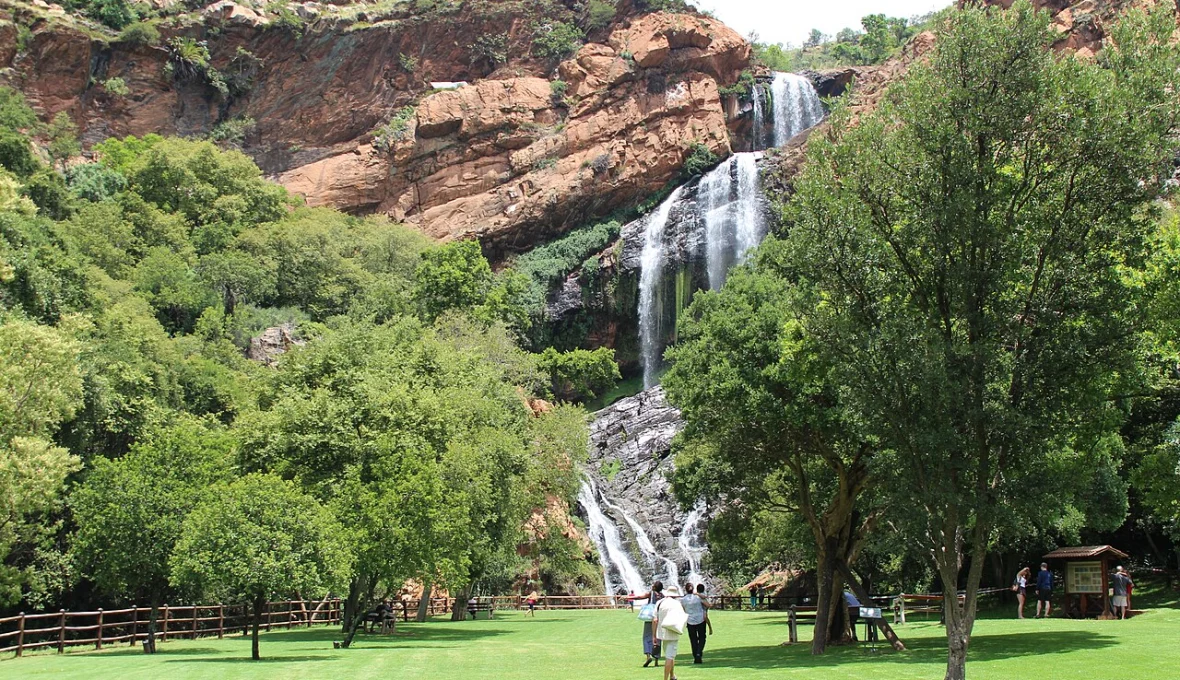
On the western side of Gauteng, Walter Sisulu combines cultivated areas with a nature reserve and the waterfall cliffs associated with Verreaux’s eagles. SANBI records a wide variety of bird species, making it a worthwhile choice for birdwatchers as well as families seeking an outdoor day. A sighting depends on wildlife and conditions, so enjoy the wider garden rather than planning around a guaranteed appearance. Check the official map and current trail information before selecting a route, particularly if anyone in your group has mobility needs. SANBI’s visitor page notes that the garden uses cashless admission; confirm accepted payment and current fees before departing. Plan a visit with SANBI.
3. Pretoria National Botanical Garden
Pretoria’s national botanical garden offers an accessible introduction to indigenous plants within the city’s eastern suburbs. SANBI describes the garden as a 76-hectare conservation space, with landscaped areas and a natural ridge giving the visit more variety than a single lawn or display bed. It can suit a relaxed picnic, an educational outing or a more purposeful look at the plants represented in different sections. Plan the outing around your group’s walking ability: a path shown on a map is not necessarily a level route. Check current entry arrangements and garden rules directly, and leave enough time to return to the gate before closing. Explore Pretoria’s garden.
4. Harold Porter National Botanical Garden
Between mountain and sea at Betty’s Bay, Harold Porter introduces visitors to coastal fynbos, forested gorges and the streams and waterfalls of the Kogelberg area. SANBI describes both cultivated garden and natural vegetation, with routes offering different levels of effort. This is a particularly interesting stop for people who want to compare the plants of the coast with those on sheltered mountain slopes. Read the current regulations before choosing a trail: access arrangements and conditions can differ, and sensitive areas need care. Bring water and suitable footwear for longer routes, and check the garden’s latest visitor information rather than relying on old travel posts. Harold Porter information.
5. Karoo Desert National Botanical Garden
Near Worcester, the Karoo Desert garden focuses attention on plants adapted to dry and semi-arid environments. SANBI describes a cultivated section within a much larger natural area at the foot of the Hex River mountains, as well as walking trails and a succulent collection. It is a useful counterpoint to a lush coastal garden: look at how different plant forms suit different environments rather than expecting the same display throughout the year. Spring flowers depend on seasonal conditions, and the succulent collection may require arrangements for a guided visit. Confirm the current route, weather and tour information before travelling, especially in hot conditions. Karoo Desert visitor information.
6. Hantam National Botanical Garden
Hantam near Nieuwoudtville is a large conservation landscape rather than a compact urban display garden. SANBI highlights several vegetation types, including renosterveld and Succulent Karoo, and describes trails through different habitats and soils. It is a strong choice for a traveller interested in the relationship between geology, seasons and plants. Flowering changes with weather and season, so photographs from a peak bloom should not be treated as a promise of what will be visible on a particular day. Carry water, use marked routes, take litter away and check current access with the garden. Its published rules say dogs are not allowed. Discover Hantam.
7. Free State National Botanical Garden
On Bloemfontein’s outskirts, the Free State garden lies in a valley between dolerite koppies. SANBI describes grassland and woodland, including wild olive and karee trees, with themed areas that help visitors compare indigenous plants and their uses. It is a useful stop for people who want to learn about the region’s vegetation without leaving the city area. Families can keep the outing relaxed, while keen walkers can enquire about available trails. Conditions, events and individual facilities can change, so contact the garden for the latest information if you need a specific route, guided visit or accessibility support. Protect the landscape by remaining on designated paths. Free State garden information.
8. KwaZulu-Natal National Botanical Garden
In Pietermaritzburg, this garden combines formal features with conservation displays focused on plants of the eastern grasslands. SANBI lists natural forest, the Zulu Demonstration Garden and other themed areas among its attractions. The variety makes it suitable for an educational visit or an unhurried family outing, with opportunities to compare a curated display with natural vegetation. SANBI also lists facilities for recreation, but their availability and conditions should be checked for your intended visit or event. The visitor page states that the garden is cashless; confirm the latest entrance requirements, any additional activity charges and group bookings before travelling. KwaZulu-Natal visitor information.
9. Lowveld National Botanical Garden
At Mbombela, the Lowveld garden is shaped by the Crocodile and Nels rivers. SANBI describes viewpoints near the Crocodile River cascades and a garden with subtropical character. The rivers and plant collections offer a different experience from the dry-country gardens in this list, making it a useful addition to an Mpumalanga itinerary. Decide whether your group wants an easy stop at a viewpoint or a longer exploration, then check the current map and route conditions. Ask the garden about accessibility for the specific entrance and viewpoint you intend to use; different paths and sections may have different surfaces or gradients. Lowveld garden details.
10. Kwelera National Botanical Garden
Kwelera, near East London, extends the national garden network into the Eastern Cape. SANBI identifies it as the country’s tenth national botanical garden, with a coastal setting that adds another ecological perspective to the network. It is worth knowing about for readers interested in the conservation of the province’s indigenous vegetation and the development of public garden spaces. Because visitor infrastructure and access may differ from long-established gardens, treat this as a destination to investigate rather than assume it offers the same facilities, trails or opening arrangements as Kirstenbosch. Contact SANBI for current access and practical visitor information before making a dedicated journey. Read about Kwelera.
Before you choose
Decide whether your group wants a short garden stroll, birdwatching, a guided visit or a longer trail. Check each garden’s official page for current admission, payment methods, rules and any notices about weather, trail closures or special events. Carry drinking water and sun protection, especially at exposed sites. Flowering and wildlife sightings depend on natural conditions.
Sources and updates
Information was checked on 3 November 2026 against SANBI’s garden directory and the individual pages linked above. Featured image: Walter Sisulu National Botanical Garden. Photo: Lavinia Engelbrecht / Wikimedia Commons, CC BY-SA 4.0; resized from the original.