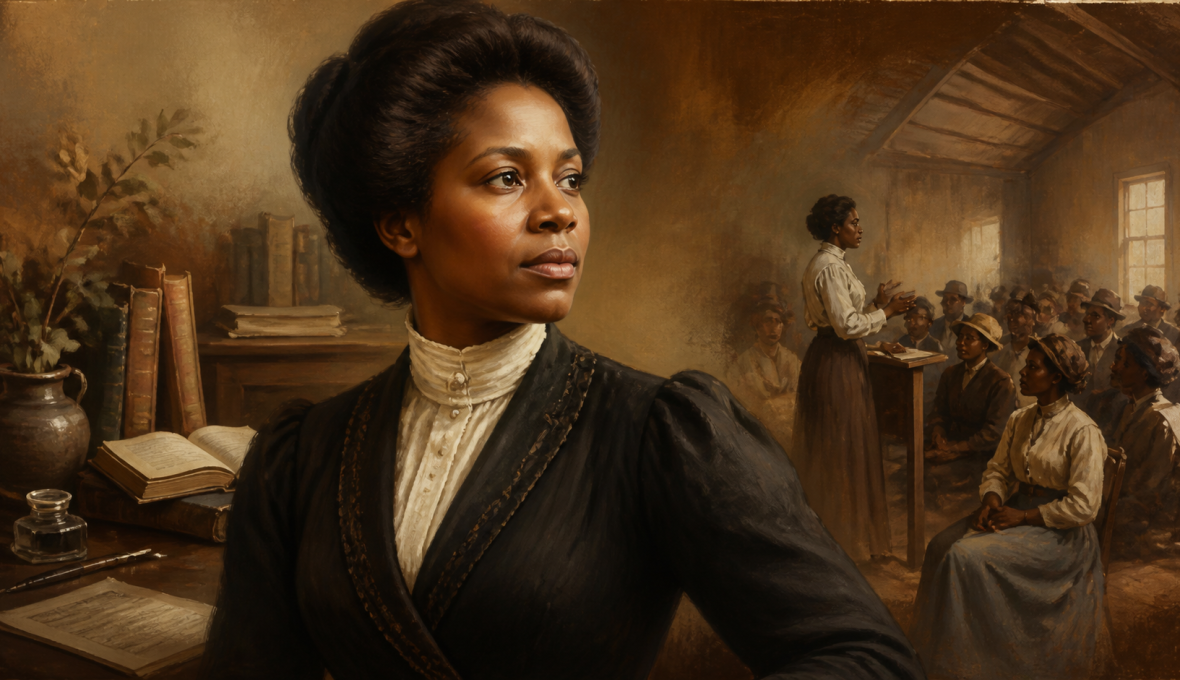
Charlotte Mannya Maxeke was a teacher, religious leader and political organiser whose work linked education, women’s organising and African self-determination in the early twentieth century.
Born in the Eastern Cape in 1871, Maxeke travelled with a choir to Europe and the United States. She studied at Wilberforce University in Ohio and became the first known Black South African woman to earn a university degree.
After returning to South Africa, she worked in education and the African Methodist Episcopal Church. Her public work grew at a time when Black women faced both racial exclusion and restrictive laws directed at their movement and labour.
Organising women
Maxeke helped establish the Bantu Women’s League in 1918. The organisation challenged pass laws affecting women and created a national platform for political participation before women were fully represented in the main liberation organisations.
She also participated in the South African Native National Congress, later renamed the African National Congress, and worked through church and welfare structures.
South African History Online records her involvement in protests against passes and her efforts to organise women across provincial and social divisions.
A lasting public legacy
Maxeke died in Johannesburg in 1939. Her name is carried by institutions including the Charlotte Maxeke Johannesburg Academic Hospital.
The South African Reserve Bank’s recent commemorative coin programme has again brought attention to women whose work shaped the country’s political and social history.
Maxeke’s life is remembered for more than a series of firsts. She used education, institution-building and organised public action to widen the space available to Black women in South African civic life.