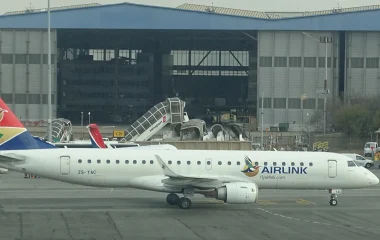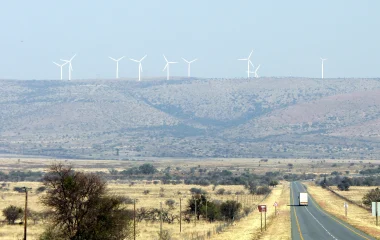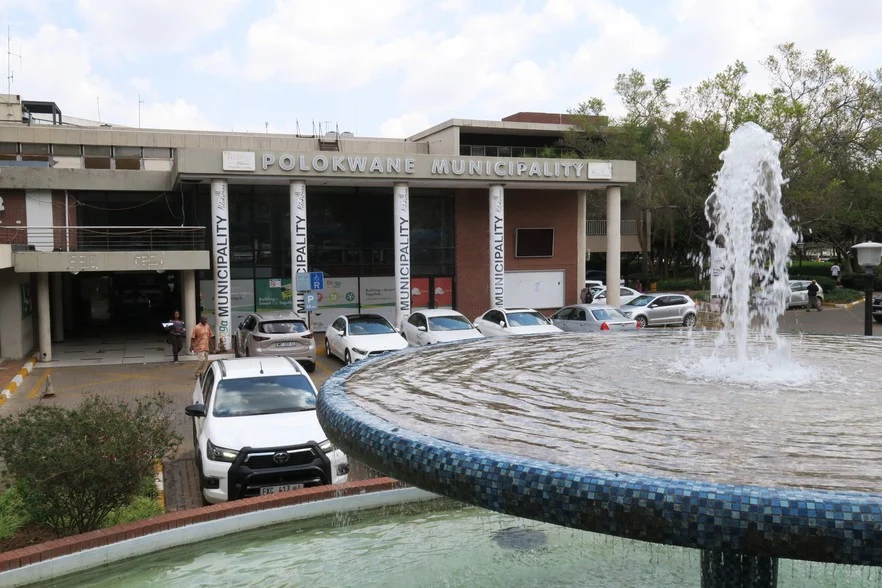
Polokwane Local Municipality has had a solid ANC majority since inception. Photos: Steve Kretzmann
- Like most South African towns and cities, Polokwane is polluting its rivers due to dysfunctional sewage treatment works.
- A massive infrastructure project which would fix the town’s sewage woes has stalled.
- Scores of rural villages suffer from water shortages and lack access to public facilities and decent roads.
- Polokwane is surrounded by an abundance of natural beauty and has critically endangered plants but does little to protect them.
Polokwane’s sewage treatment works are among the worst in the country. All three of the municipality’s wastewater treatment works (WWTW) – Seshego, Polokwane and Mankweng – are in a critical state, scoring a combined average of just 23% on the latest 2025 Green Drop Report compiled by the Department of Water and Sanitation.
On average, the three works scored 3% for microbiological compliance, which is a measure of faecal bacteria in the effluent released after going through the treatment plant.
They also scored an average 37% for chemical compliance, a measure of chemical oxygen demand, ammonia, nitrites, ortho-phosphates and other chemicals that can negatively affect human and ecological health.
Even if they were in working order, all three treatment plants receive more sewage than they are designed to treat. The August report before the municipal water and sanitation portfolio committee shows the Polokwane WWTW, with a capacity of 36-million litres per day, received 27-million litres per day more than it is designed to treat in July. The Seshego WWTW was also over capacity by more than one-million litres per day that month. The Mankweng plant was at capacity in July, but received 630,000 litres per day above its capacity in August.
Daily, more than 48-million litres of largely untreated sewage is released into the Blood and Sand rivers which flow north to the Limpopo River.
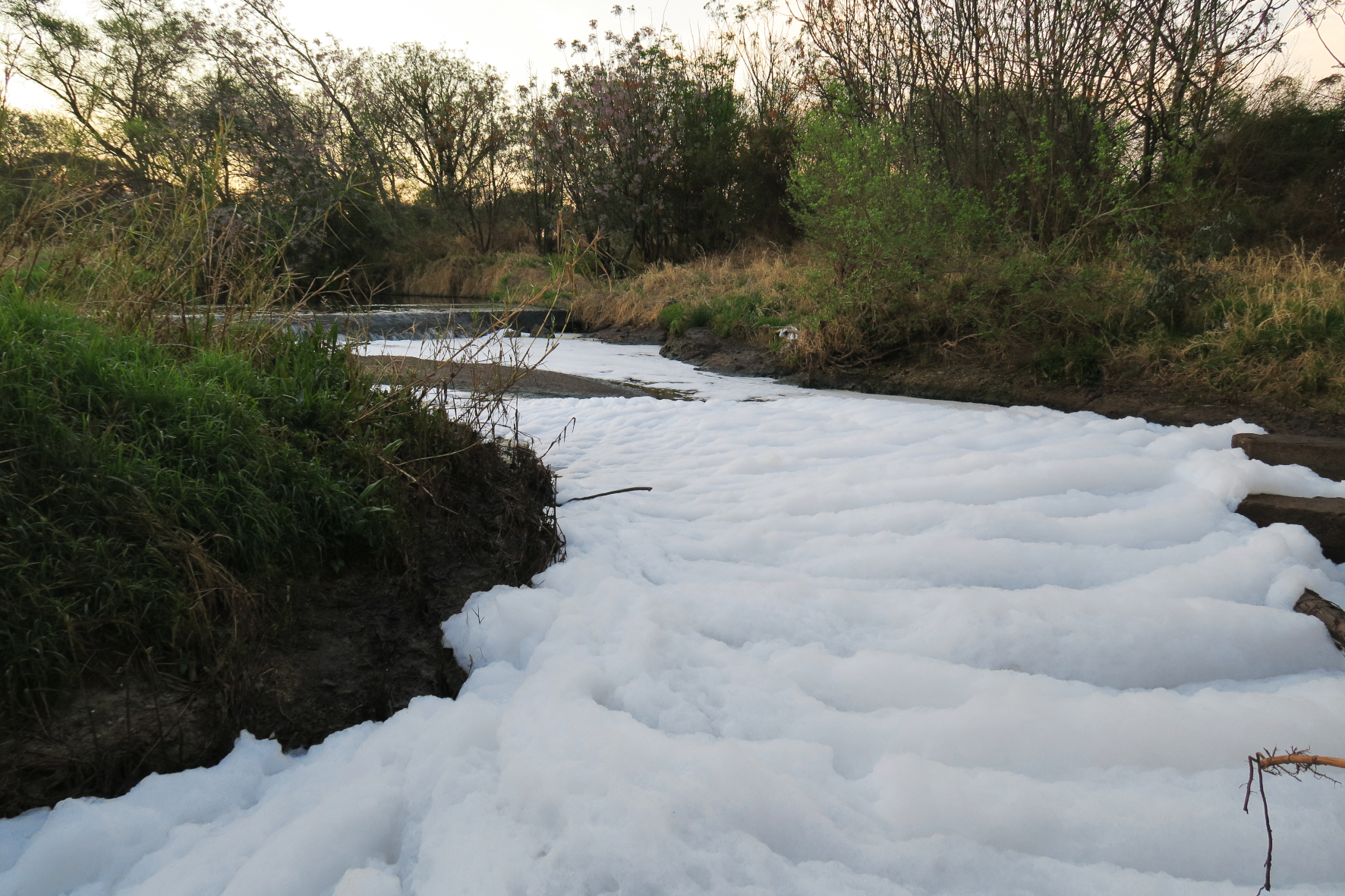
Thick white foam on the Sand River beneath the Doornbult Road indicates high levels of pollution from the dysfunctional sewage treatment works upstream.
The impact on the environment is visible below the confluence of the Sand and Blood rivers. Beneath the bridge over the Sand River on Doornbult Road, thick white foam caused by chemical pollution, the tell-tale odour and opaque murky water, indicate the river is little more than an open-air sewer at the end of the dry season.
The water is used by large commercial farmers to irrigate their crops.
About six-million litres of largely untreated sewage from the Mankweng WWTW also joins the Sand River about 18km further downstream.
The Green Drop report notes that although the municipality has enough staff and qualified supervisors and process controllers, it does not monitor the impact of effluent downstream, nor does it monitor the impact on groundwater, which surrounding rural villages are highly dependent on for drinking water.
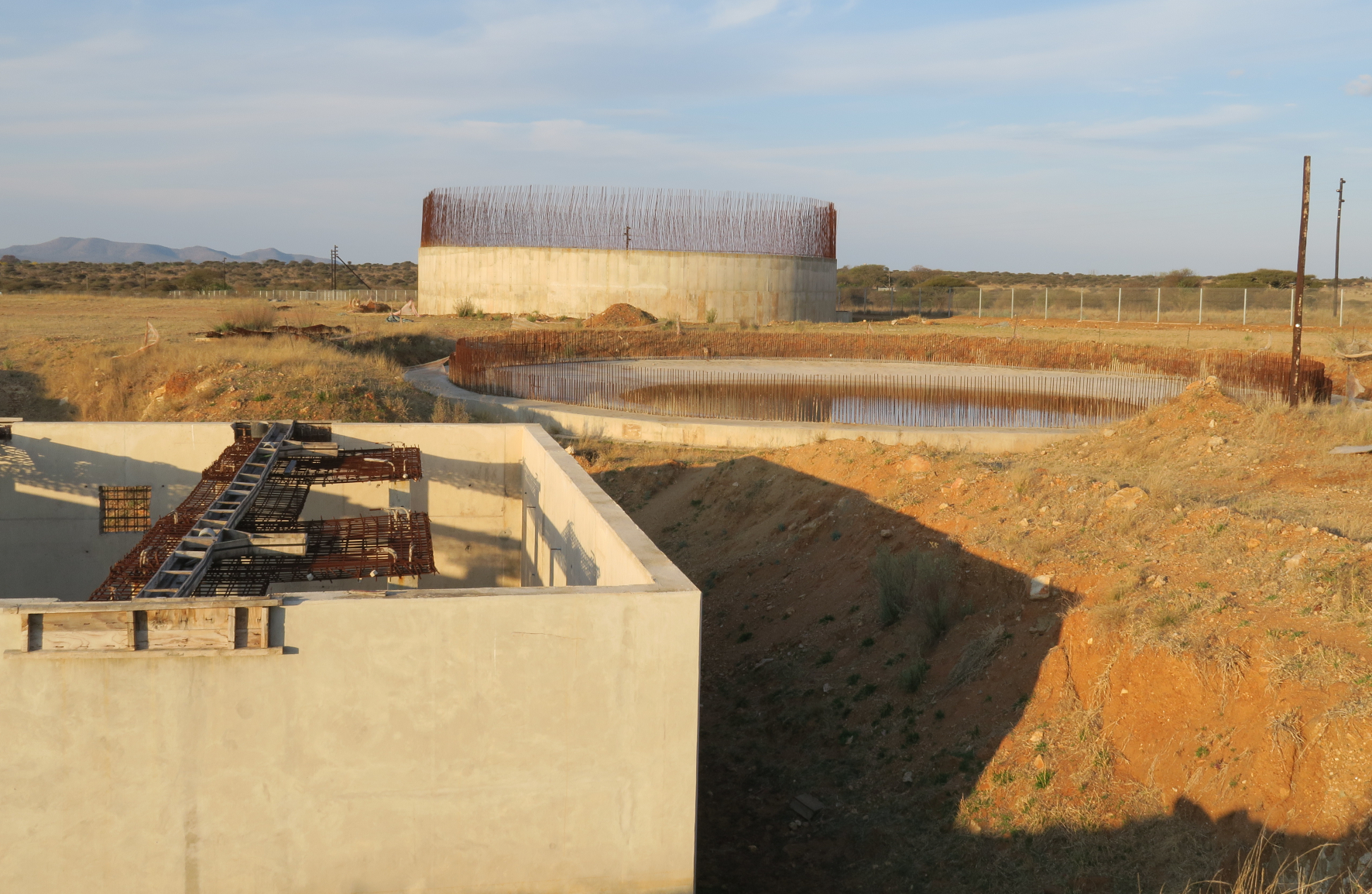
Unfinished work at the regional WWTW which was supposed to solve the town’s sewage treatment failures. The original completion date for the first phase was February 2020.
Bungled sewage treatment solution
Polokwane Local Municipality, which falls under the Capricorn District Municipality, has been run by a majority ANC council since its inception. It has a massive infrastructure plan to solve the sewage treatment crisis, but it is now six years past its initial completion deadline and construction has stalled for a second time.
The first 20-million litres per day phase of a new wastewater treatment plant designed ultimately to treat 100-million litres of sewage per day, was supposed to have been completed in February 2020, more than six years ago.
According to the Auditor-General (AG) 2024/25 management report, NJR Projects was appointed to build the first phase of the project in a R152-million deal.
The February 2020 deadline was missed and construction ground to a halt in December 2021. It took the municipality a further five months to terminate the NJR Projects contract, in April 2022.
It took another nine months to appoint another company to complete the first phase over two years for R113-million. The completion date was supposed to be 30 April 2024. This was then extended to 13 December 2024 due to remedial work, adding R5.2-million to the cost. The completion deadline was revised to 28 January 2026.
The AG report states a site visit was conducted on 5 November 2025. There had been progress since the previous inspection but the project was five years and eight months past its initial completion date.
When GroundUp visited on 20 September, the area was fenced but the main gate was unlocked. The only person on the extensive site was a cattle herder in the distance moving livestock through the area. The construction was clearly unfinished and cracks were visible in some concrete structures. Iron rods and other material were left out to rust and open to theft.
The AG stated that irregularities related to the project indicate “deficiencies in project planning, contract management and oversight, which resulted in unnecessary costs to the municipality”.
“The matter requires urgent remedial action to prevent further financial loss and ensure accountability,” the AG stated.
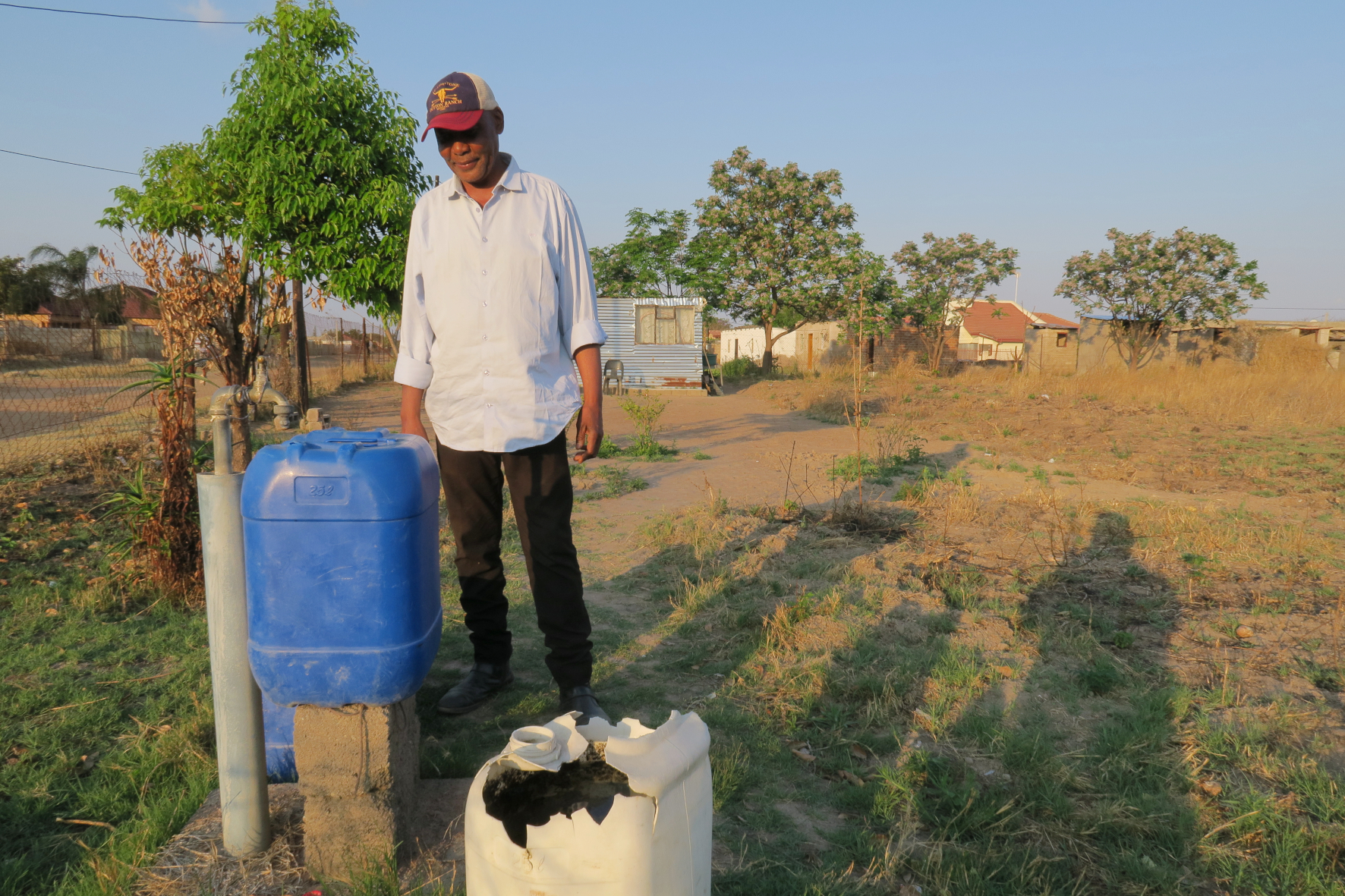
Pensioner Cornelius Ntsewa said water supply in Ga-Rankhuwa village is unreliable. When it is flowing, he fills up a number of containers as backup for dry periods that can last for weeks.
Water shortages
The municipality’s drinking water meets the national minimum standards, but not every community has a steady supply. Reports before the municipal water and sanitation portfolio committee on 8 October showed 42 of the municipality’s 45 wards had reported issues with water availability.
There were 19 wards that had “persistent water shortages”, and water trucks, of which the municipality had 23 in working order (14 being repaired), were insufficient.
The committee’s reports show 29 projects, totalling R948-million budgeted in the current financial year, with at least 25 of them related to the provision of drinking water. But the second phase of the stalled regional WWTW, at R688-million, takes up nearly three-quarters of the budget.
Only eight of the budgeted projects were at construction phase, and only two of those had started. The other six were waiting for the appointed contractors to submit documentation.
Additionally, the AG noted that in the 2024/25 financial year, water losses were at 33% of bulk water purchased, amounting to R113-million.
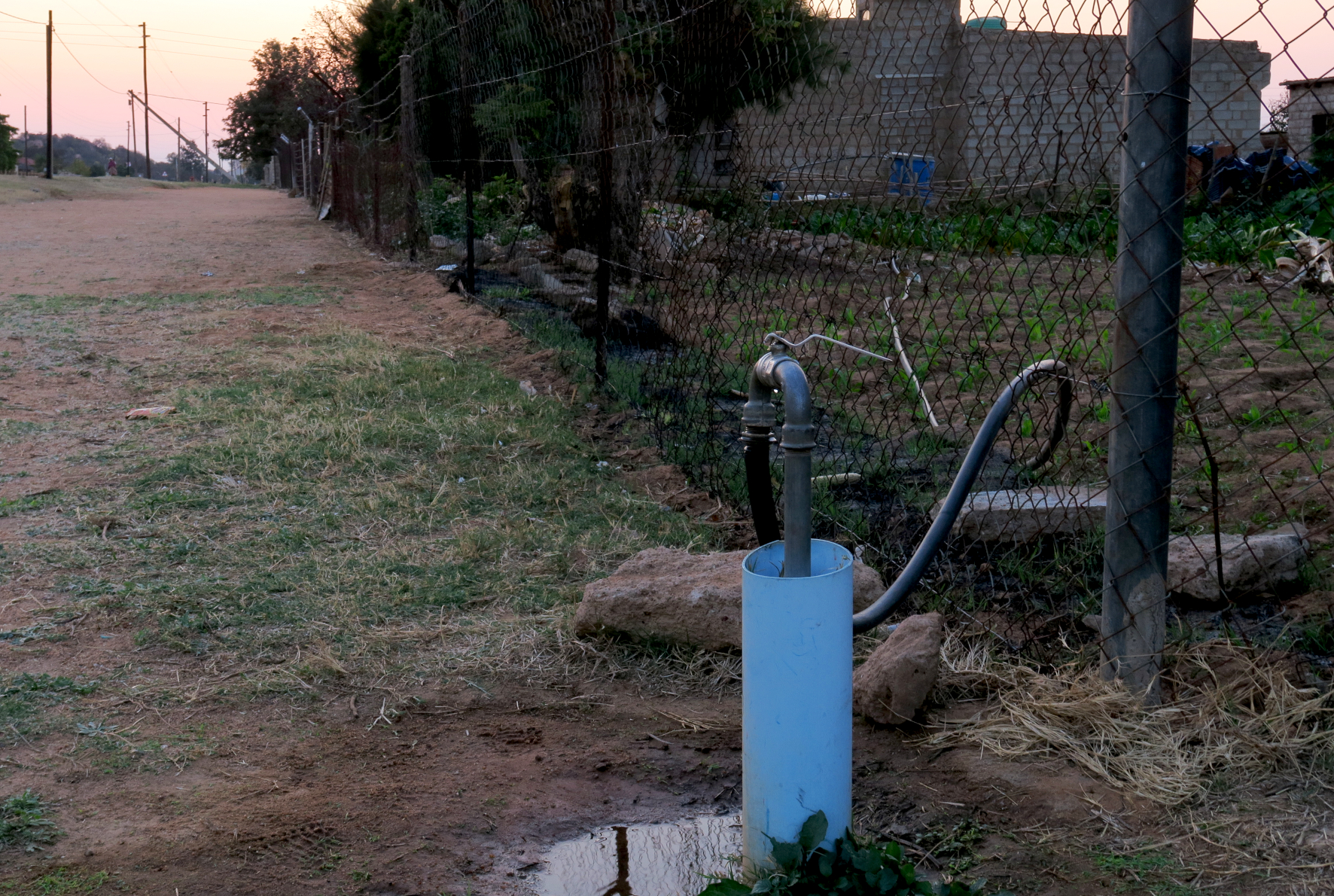
In Koloti, villagers said the standpipes in their yards were mostly dry, but the taps next to the street, about one every few hundred metres, were more reliable. Here a resident uses the communal tap to water a vegetable garden.
Miriam Letwaba, a mother of six children in a village towards the north-west edge of the municipal boundary, which she called Mashamaite but is labelled Bastiaansrust on the map, said they have water flowing in the standpipe in the yard approximately once every second day.
Letwaba said if she needed more water, or if the taps were dry for an extended period, she bought water from a neighbour who had a borehole and sold water at R2 per 25-litre container.
There was no waterborne sewerage in the village. Each household dug their own pit toilet.
She said her husband worked at a nearby cattle farm but jobs in the area were extremely scarce. To go to the nearest high school, five kilometres away, learners catch a bus.
In the neighbouring village of Ga-Rankhuwa, pensioner Cornelius Ntsewa said the lack of water was the main issue, along with the lack of waterborne sewerage. As in Bastiaansrust, households in Ga-Rankhuwa are supplied by a standpipe in the yard. When GroundUp spoke to Ntsewa on 22 September, he said there had been no water in the tap for three weeks before supply was restored two days before our visit.
“They said the machine [borehole pump] was broken, then they fixed it,” he said.
Ntsewa said he could never be sure when the municipal water supply would be available, so when there was water he filled a number of 25-litre containers. If those ran out, he went to collect water from a private borehole on another property.
He has electricity through a prepaid meter from Eskom.
There is no refuse removal. Residents mostly burn their rubbish in a pit. Most villages have no tarred or paved roads, although Ga-Rankhuwa’s main entrance road had been paved for about half its length as part of a project which he guessed started about five years ago.
He said there were no community halls and no public facilities, only a dirt soccer pitch.
“Here, you just play soccer or get drunk,” he said.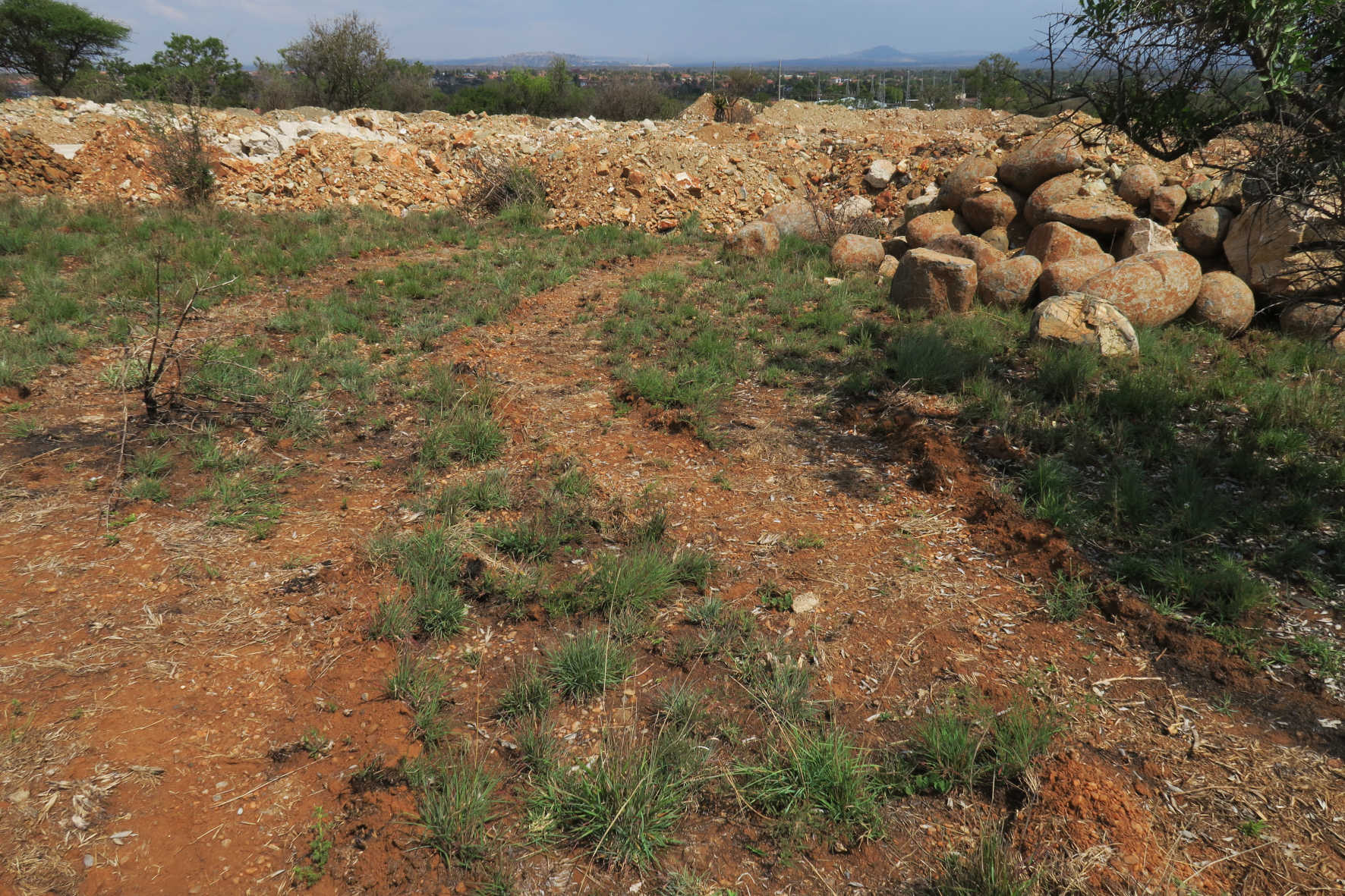
We found a critically endangered plant damaged by a truck dumping earth and building rubble on municipal land in Polokwane.
Illegal dumping threatens critically endangered species
Two species of extremely rare succulent, of which there are reportedly only about 300 specimens each left in the wild, are almost all located in a 4km² area within the Polokwane Local Municipality, yet the municipality has done nothing to protect them.
Both plants, which GroundUp has decided not to name in an effort to protect them from poaching, are listed as critically endangered.
Currently, the land is unfenced and there is an informal dump on part of it. Two individual plants of one of the critically endangered species were found on the edge of the dump, one partially damaged by the passage of a truck tyre. The proximity of these two plants to the dump suggests others in the extremely rare population have been smothered and killed by the dumped material.
One of the critically endangered plant species was also found in a nearby neglected park within a suburban area where illegal dumping was also apparent.
Although the municipality states in its Integrated Development Plan that it plans to fence the area and create a botanical garden, PR councillor and DA caucus whip Jacques Joubert said there is nothing in the budget about the botanical garden.
Instead, the land is being sold to a developer to build an eco-estate.
Dr Bronwyn Egan, University of Limpopo botanist at the Larry Leach Herbarium, said first prize would be to protect the plants and their habitat within a gazetted nature reserve, but plans for a botanical garden had been in the works for a decade or more and nothing had been done. An eco-estate was a “second-best option”, she said.
An environmental impact assessment had been done and the plants identified so they could be protected within a botanical garden inside the development. But she said the concern was the shrinking space and fragmentation of habitat, without corridors to allow for pollination and the future spread and survival of the species.
Caitlin Mapitsa, associate professor at the Wits School of Governance, said environmental legislation was quite complex when it came to what action a municipality was obliged to take if critically endangered species existed on its land. However, Mapitsa said there was an obligation to ensure no harm was done through, for example, zoning the area for construction, or clearing it for agricultural purposes.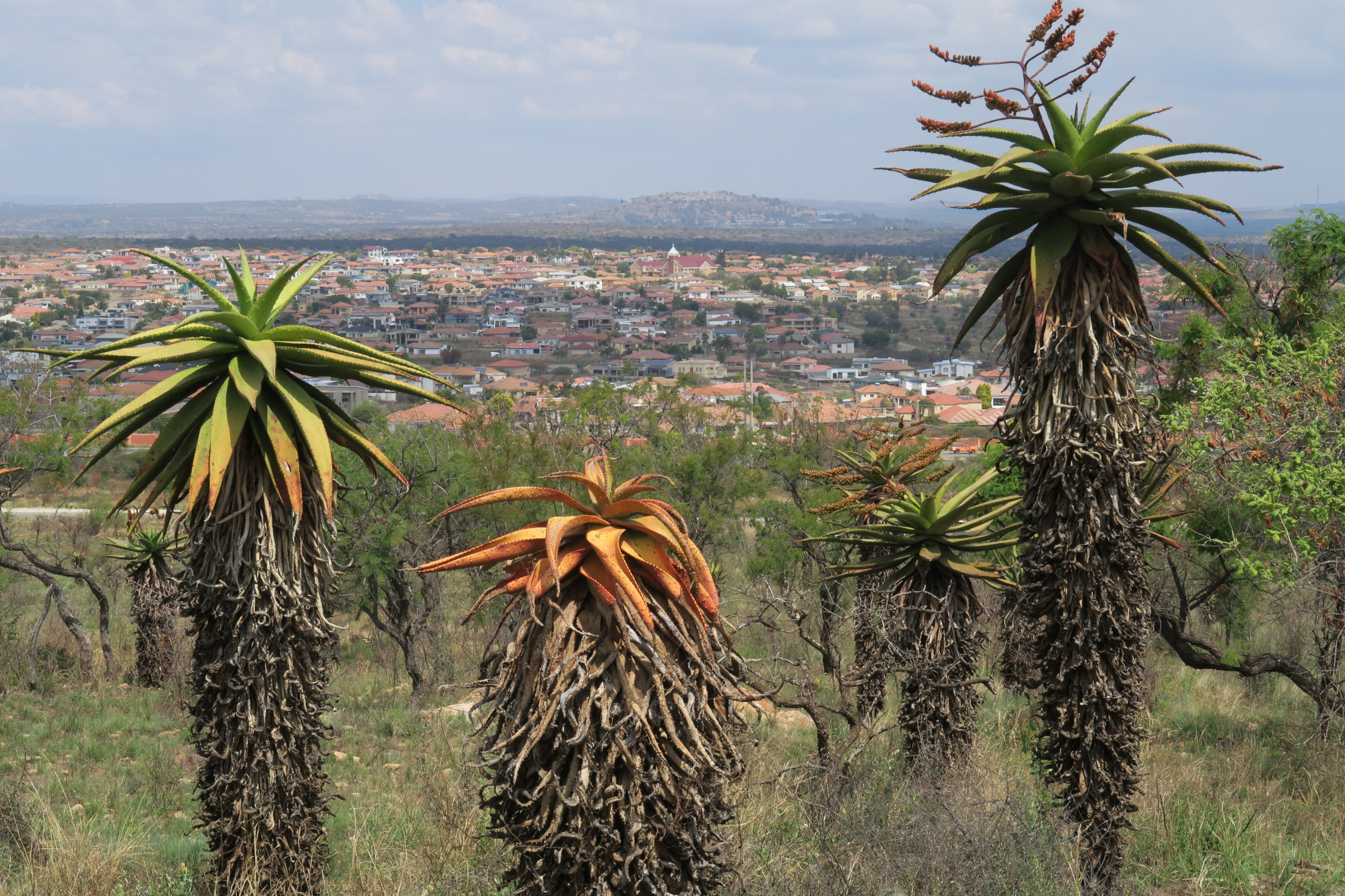
Majestic mountain aloes (Aloe marlothii) surround Polokwane. Some unusual specimens are linked to iron age Ndebele village sites. They are part of the rich natural heritage of the area which is neglected by a municipality that has also failed to review its tourism strategy annually.
Matters to be addressed
Despite failures in service delivery and stalled essential infrastructure projects, the longstanding majority ANC municipality has obtained unqualified audit opinions, although with “emphasis of matter”, since the 2021/22 financial year.
While that year’s unqualified audit had three emphasis of matter (matters that are serious enough to affect service delivery, public trust or the ability of an institution to do its job, but do not affect the audit opinion), these increased to four the following year, and there were five emphasis of matter items in the latest 2024/25 audit: material impairments, water losses, electricity losses, contingencies and restated figures
The municipality’s unauthorised, irregular and fruitless and wasteful expenditure was more than R1-billion from 2021/22 to 2023/24, but was reduced to R467-million in 2024/25.
A material irregularity – a serious accountability failure which needs to be addressed, losses recovered, and steps taken against those responsible – was noted in the 2022/23 financial year. This was related to the purchase of 36 buses for the municipality’s semi-functioning Integrated Public Transport Network in 2019. Only 26 buses were delivered before the procurement company went into liquidation. The resultant loss of R16.7-million was raised as a material irregularity in 2022 as reasonable steps had not been taken to enforce the contract or get the money back.
A law firm was then instructed to reclaim the money and disciplinary action was instituted against implicated employees. With repayment not forthcoming, a court case has since been opened against the company and the AG has determined the matter as resolved.
A new material irregularity was then raised in the 2024/25 audit, in which R2.2-million was paid to a contractor over 53 days of standing time on the construction of the regional WWTW due to disruptions caused by payment delays from the municipality. This material irregularity is yet to be resolved.
GroundUp sent a number of questions to the municipality, but no answers had been received at the time of publishing.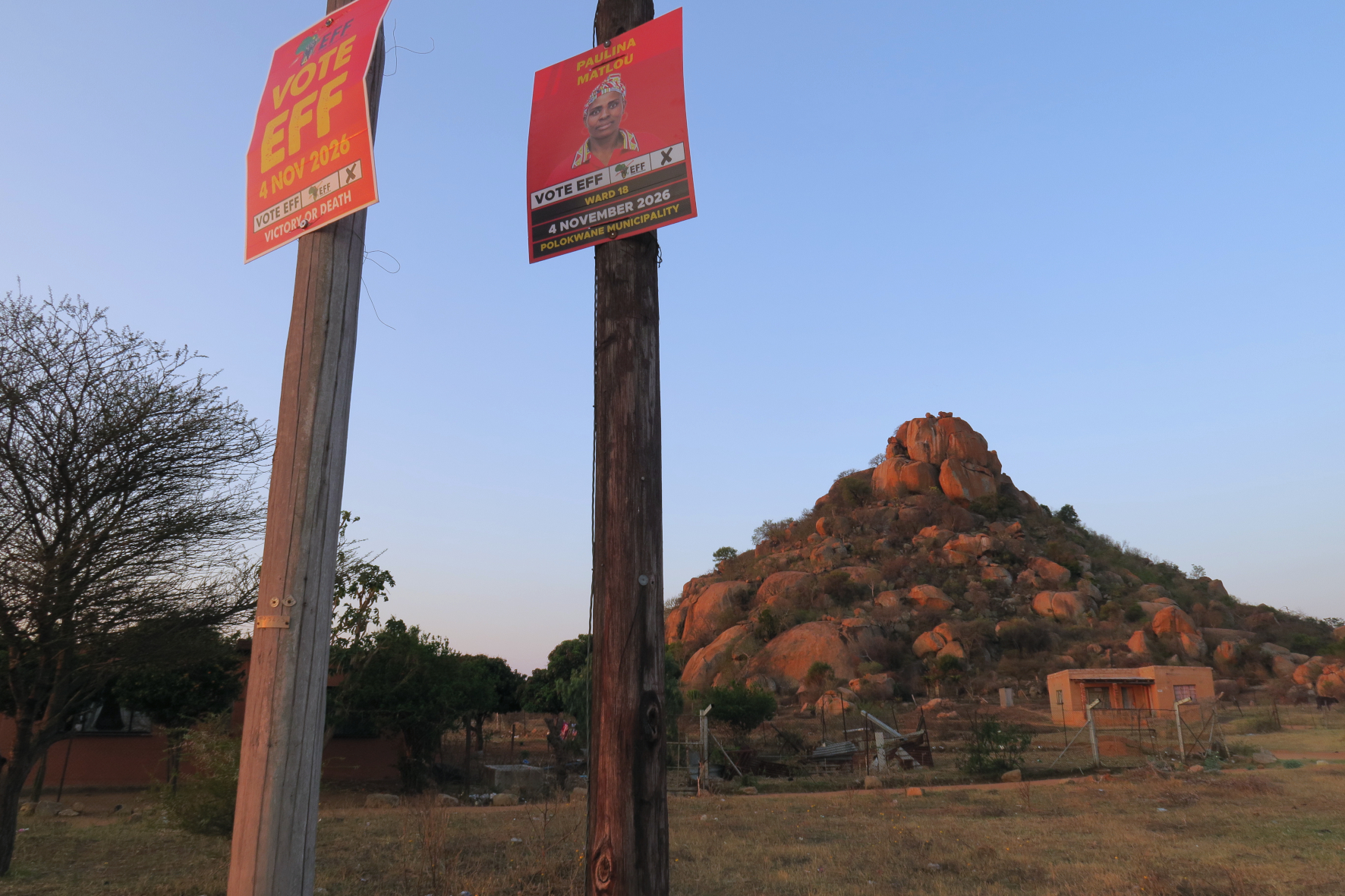
The EFF, holding 21 of the 90 seats in council (23%), is the largest opposition party in the municipality. The ANC won 60% of the local government vote in the 2021 elections.